

Reishi
Pure as an extract or combined with plants
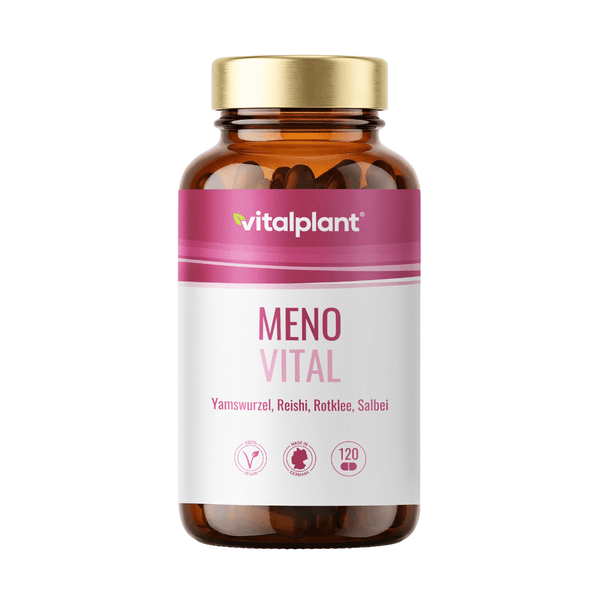
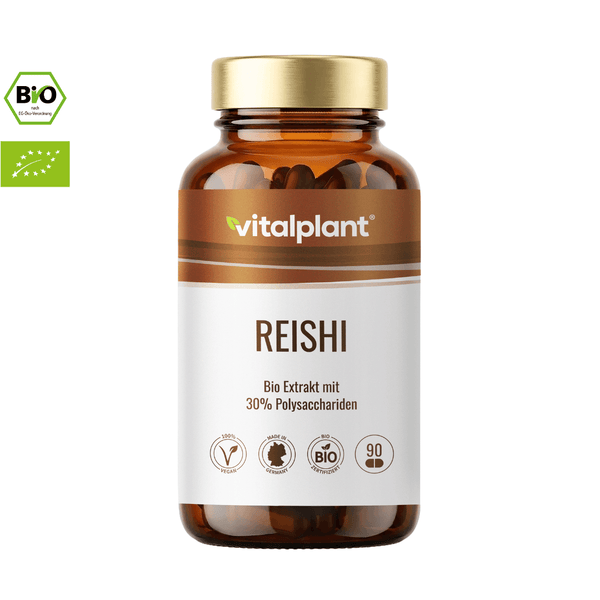
With Reishi, you can choose between a pure extract and a blend. Organic Reishi Capsules contain only mushroom extract, with no fillers, and come in amber glass. The Organic Medicinal Mushroom Complex combines it with Hericium, Chaga and Shiitake, while Meno Vital combines it with yam root and red clover. You can read more about the origin of its name, Ling Zhi, below.
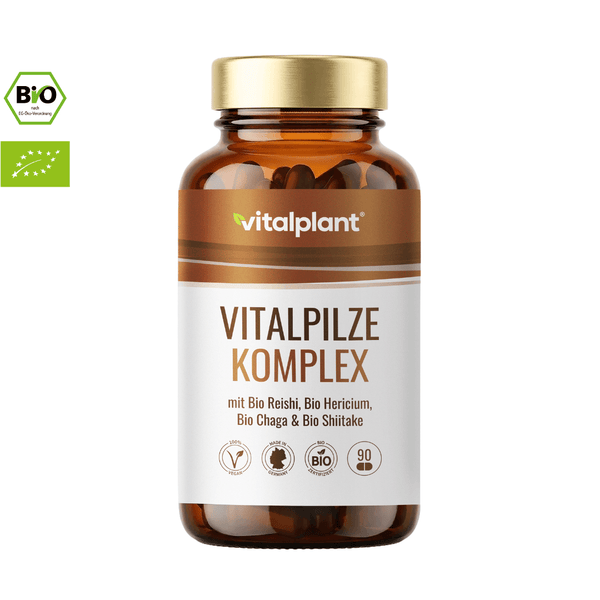
Four mushrooms in equal parts, 125 mg per capsule
Das solltest du über Reishi wissen
Alles über Reishi
Reishi (Ganoderma lucidum): A special functional mushroom with unique natural ingredients
What makes this extraordinary mushroom so special is its ingredients: Reishi (Ganoderma lucidum) is one of the most extensively researched functional mushrooms and contains, among other things, polysaccharides, triterpenes, and other plant compounds. Whether as concentrated Reishi extract in capsule form or as a fine powder, you can easily and reliably incorporate the functional mushroom Reishi into your everyday life today.
What is Reishi? Ganoderma lucidum: A traditionally used functional mushroom from the bracket fungi family
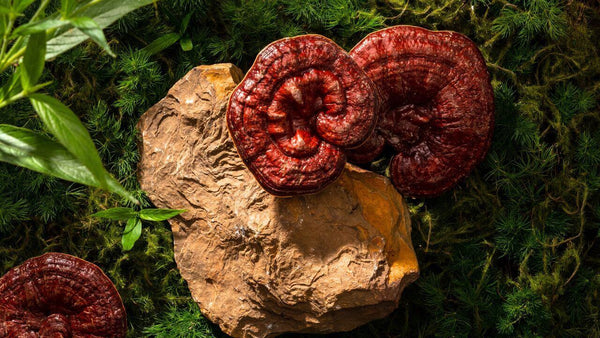
The Reishi mushroom, scientifically known as Ganoderma lucidum, is a tree fungus from the Ganodermataceae family. It owes its common name "shining bracket fungus" to the characteristically glossy, lacquer-like fruiting body, which shines in deep reddish-brown and chestnut tones. In German, the mushroom is also simply referred to as a bracket fungus.
The Chinese name Ling Zhi (灵芝) roughly means "mushroom of divine power." For thousands of years, Reishi has been a fixture of Asian culture and is regarded there as a tradition-rich symbol of well-being and joy for life. In ancient Chinese texts, Ling Zhi was described more than 2,000 years ago, and the tradition goes back another millennium to the time of the mythical Emperor Shennong. This deep cultural roots clearly show why the rare, wild-growing Reishi mushroom has always been understood as an extraordinary gift of nature.
In Japan, the Reishi mushroom is called "Mannentake" (万年茸), the "mushroom of ten thousand years." In Korea, it is known as "Yeongji." Across Asia, this functional mushroom has been highly valued for thousands of years by emperors, monks, and scholars. Botanically, the shining bracket fungus grows preferably on old deciduous trees, especially oaks and plum trees, and is native to East Asia and North America. Wild Reishi was historically rare and correspondingly valuable. Today, the organic functional mushroom is cultivated in controlled environments, so you can get it in consistent quality.
Reishi ingredients: polysaccharides, triterpenes, vitamins, and minerals
The Reishi mushroom is characterized by an exceptionally rich spectrum of natural ingredients. As a traditionally used functional mushroom, Ganoderma lucidum contains a variety of plant compounds — including polysaccharides and triterpenes. So you know what's really in your capsules, here we explain the most important ingredients.
Polysaccharides and beta-glucans
Polysaccharides are among the best-known ingredients of Reishi. In particular, beta-glucans, a specific subgroup of polysaccharides, are the focus of modern mushroom research. These long-chain carbohydrate molecules are part of the cell wall of the fruiting body. A high-quality Reishi extract is standardized to its polysaccharide content. The stated polysaccharide content is an important quality feature that you should definitely pay attention to when buying Reishi. In practice: the higher the documented share of polysaccharides from the fruiting body, the more concentrated your preparation.
Triterpenes, the bitter messengers of the bracket fungus
Triterpenes are the second major active compound class in Reishi and are responsible for the characteristically bitter taste of the shining bracket fungus. Reishi contains over 150 different triterpenes, including ganoderic acids. These bioactive substances are found mainly in the fruiting body; only small amounts are present in the mycelium. Full extraction of the triterpenes requires an alcohol-based extraction process. High-quality products combine water and alcohol extraction for a complete active compound profile.
Vitamins and minerals
Reishi also contains a broad spectrum of vitamins and minerals. These include vitamin C as well as various B vitamins, iron, calcium, and magnesium. The interplay of polysaccharides, triterpenes, vitamins, and minerals makes Reishi's nutrient profile a balanced overall composition. Vitamin C contributes to the normal function of the immune system during and after intense physical exercise — a nutrient you can use as part of a balanced diet together with traditionally used functional mushrooms such as Reishi.
Other bioactive substances
In addition to polysaccharides and triterpenes, the Reishi mushroom contains sterols (including ergosterol), nucleotides such as adenosine, amino acids, and water-soluble proteoglycans. This broad spectrum of ingredients makes Reishi one of the most intensively researched functional mushrooms in modern nutritional science — and one of the most complex among the known functional mushrooms overall.
Reishi extract vs. powder: the difference in ingredients and dosage
When buying Reishi products, you will encounter two basic forms of processing: Reishi powder and Reishi extract. Both come from the fruiting body of the mushroom, but the difference lies in the processing and the resulting concentration of bioactive ingredients. So you can make the right choice for yourself, we explain the difference.
Reishi powder is the dried and ground fruiting body. It contains all the mushroom's natural components in their original form, but in a comparatively low concentration. To obtain a relevant amount of polysaccharides and triterpenes, a correspondingly high daily amount of powder would be required.
Reishi extract, on the other hand, is a concentrate: through a targeted extraction process, ideally combining water and alcohol extraction, polysaccharides and triterpenes are systematically enriched. A 4:1 or 8:1 Reishi extract means that several kilograms of raw material are used to obtain a single weight unit of extract. The result is a highly dosed, standardized concentrate.
If you are looking for a high-quality dietary supplement with maximum concentration of polysaccharides and triterpenes, a standardized Reishi extract in capsule form is the most recommended choice for you. The capsule protects the sensitive bioactive substances from oxidation and enables precise, convenient dosing without the mushroom's naturally bitter taste. The Reishi extract in capsule form therefore combines purity, concentration, and ease of use in one.
Functional mushroom Reishi in Traditional Chinese Medicine (TCM): valued for thousands of years
The history of Reishi in Traditional Chinese Medicine is one of the oldest cultural traditions in the world. For thousands of years — and thus long before modern science existed — Ling Zhi has been described and used by Chinese physicians and pharmacologists.
In the "Shennong Bencao Jing," the oldest surviving Chinese pharmacopoeia (compiled around 200 to 250 AD, based on even older knowledge), Ling Zhi is assigned to the highest mushroom category, a so-called "Superior Herb," which according to historical tradition was recommended for daily use. In Traditional Chinese Medicine (TCM), Reishi was historically assigned to the concept of Qi — life energy — and valued within traditional practices. This thousands-of-years-old cultural tradition makes Reishi a fascinating part of Chinese natural history.
The Chinese character for Ling Zhi combines the meanings of "spirit," "soul," and "sacred plant," embodying its high cultural status in Chinese tradition. For thousands of years, the Reishi mushroom was not only part of medicine, but also of art and philosophy: in paintings, sculptures, and poems, the shining Ling Zhi regularly appears as a symbol of good fortune and a motif in Chinese visual tradition.
TCM has always distinguished between different quality levels and colors of Reishi. The red Reishi (Chi Zhi), corresponding to Ganoderma lucidum, was considered the most effective and valuable and is still the most commonly used representative of this mushroom species today. In the TCM tradition, it has been regarded for centuries as a particularly important functional mushroom, to which various meanings were attributed in this tradition.
Buy Reishi: pay attention to quality and purity
The market for Reishi products is large, and the quality differences are significant. So you can be sure you're really getting what you pay for, we've compiled the most important criteria for you. Not all products are the same: there is a world of difference between high-quality fruiting body extract and inferior mycelium powder.
Fruiting body instead of mycelium
High-quality Reishi products are based on the fruiting body of the mushroom, the part that contains the highest concentration of bioactive ingredients. Mycelium products grown on grain substrates often contain significantly fewer active compounds and more starch residues from the substrate. Therefore, make sure you get a genuine organic functional mushroom made from pure fruiting bodies.
Standardized polysaccharide and beta-glucan content
Look for an extract rich in polysaccharides and beta-glucans with documented levels. Reputable manufacturers declare the polysaccharide content and beta-glucan content on the packaging. These details stand for transparency, purity, and active ingredient content and allow you to make a factual comparison between products.
Organic certification and origin
A certified organic functional mushroom ensures that the Reishi was grown without chemically synthesized pesticides or fertilizers. In our Reishi cultivation, we place the greatest emphasis on controlled, low-contaminant conditions — independent laboratory analyses confirm the purity of the product. Also pay attention to transparent information about origin.
No unnecessary additives
A high-quality Reishi dietary supplement comes without unnecessary fillers, binders, or flow agents such as magnesium stearate. Highest purity — without unnecessary additives — comes first. At Vitalplant, we consistently avoid such excipients so you get a truly pure product.
Highly dosed, standardized extract
Not every Reishi capsule is highly dosed. Look for products with a clearly defined extract ratio (for example 4:1 or higher) and a documented daily dose. Only then can you be sure that you are actually taking in a relevant amount of the bioactive ingredients.
Functional mushroom Reishi from Vitalplant: organic Reishi capsules in premium quality
Vitalplant organic Reishi capsules are among the most popular products in our functional mushroom range. Vitalplant stands for purity and quality: the organic Reishi capsules are made exclusively from the fruiting body of Ganoderma lucidum, with no mycelium, no substrates, and no unnecessary additives. The result is a high-quality Reishi mushroom extract — rich in polysaccharides and beta-glucans, carefully produced, and consistently pure.
As a family-run company from Memmingen, we at Vitalplant place special emphasis on transparency. Every batch of Reishi capsules is tested in the lab for purity and active ingredient content before it is placed on the market as a dietary supplement. This consistent quality assurance is part of Vitalplant's DNA, from selecting the raw materials to bottling in Germany.
What sets us apart from many competitors is our consistent avoidance of flow agents such as magnesium stearate. Instead, we rely on high-quality raw materials and careful processing, an approach that runs through our entire range. The plant-based capsule shells are 100% vegan, and the product is also free from common allergens.
Our organic functional mushroom Reishi capsules impress not only in terms of ingredients, but also through our clear philosophy: no compromises on quality, purity, or transparency. If you want to buy Reishi and choose a reliable, lab-tested product, the Vitalplant organic Reishi capsules are exactly right for you.
Dosage and taking Reishi capsules: choosing the right daily dose
The recommended dosage varies depending on the product and extract strength. For Vitalplant organic Reishi capsules, 1 to 2 capsules per day is recommended. As a general rule, you should take the daily dose with plenty of water, ideally with a meal.
Reishi has traditionally been used as a long-term part of the daily routine — even in the traditional TCM context, the mushroom was taken daily. If you want to integrate Reishi into your everyday life, make taking it a fixed daily habit. Consistency is key.
Reishi is traditionally used as a dietary supplement and is a popular addition to the daily routine for many people. If you are taking medication or have pre-existing conditions, you should consult a doctor or pharmacist before taking it. Pregnant women, breastfeeding women, and children should not use Reishi capsules without medical advice. Your actual daily dose always depends on your individual needs and the specific product.
Functional mushrooms compared: Reishi, Cordyceps, and Lion's Mane
The Reishi mushroom is just one of several important functional mushrooms that play a significant role in the modern supplement world. You may be wondering which functional mushroom is best for you. Each functional mushroom has its own characteristic active compound profile, and all have their roots in Traditional Chinese Medicine.
Cordyceps (Ophiocordyceps sinensis), also called caterpillar fungus, is a functional mushroom known in Traditional Chinese Medicine (TCM) for centuries and contains the key substances cordycepin and adenosine. It is especially popular with athletic people and has been used for centuries in connection with an active lifestyle. If you are looking for a tradition-rich functional mushroom for your active everyday life, Cordyceps is an exciting companion.
Lion's Mane (Hericium erinaceus) is an extraordinary functional mushroom with a distinctive appearance: the white, hanging spines really do resemble a lion's mane. Hericenones and erinacines are the characteristic ingredients of this fascinating mushroom.
Reishi has one of the most extensive historical records of use of any mushroom and has been a valued part of Traditional Chinese Medicine for thousands of years — with a broad spectrum of bioactive ingredients that makes it a first choice for many. If you want to use the full spectrum of functional mushrooms, you'll also find our own organic functional mushroom complex at Vitalplant, which combines different functional mushrooms in a single product.
Conclusion: Reishi, the king of functional mushrooms, enriching your everyday life
Reishi is not a trend, but a companion to humanity that dates back thousands of years. No other functional mushroom is so deeply rooted in the history of East Asian culture, and no other has been passed down, described, and cultivated for so many centuries. And for good reason: the extraordinary spectrum of polysaccharides, triterpenes, vitamins, and bioactive compounds makes Ganoderma lucidum one of the most studied natural substances in the world to this day.
If you want to buy Reishi and refuse to compromise on quality, purity, or origin, Vitalplant organic Reishi capsules are exactly right for you. Pure fruiting body extract, certified organic cultivation, without magnesium stearate, laboratory tested, and produced in our family-run manufactory in Memmingen. That is the Vitalplant standard, and it applies to every single capsule.
Start your daily Reishi routine now and discover a functional mushroom with a long tradition that has been among the world's most valued natural substances for thousands of years. As part of a balanced diet and healthy lifestyle, organic Reishi extract can find a permanent place in your daily routine — entirely in the spirit of a tradition that has endured for thousands of years.
Read on and discover
Here you can find our organic Reishi capsules in detail. An overview of all mushrooms is provided by the Functional Mushrooms topic world; individual profiles: Lion's Mane and Cordyceps. In-depth in the magazine: Reishi — a look at an interesting mushroom.