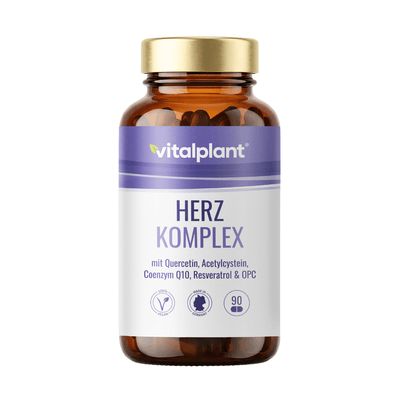


Coenzyme Q10, also as Ubiquinone known, is a fat-soluble, vitamin-like molecule that naturally occurs in every cell in our body occurs. This enzyme is a regular part of our diet, but is also used endogenously synthesized. Q10 is essential for the efficient transfer of electrons within the mitochondria and for the Energy production within cells.
Moreover, Q10 is a powerful antioxidant. Antioxidants fight harmful particles in the body known as free radicals are known. These damage cell membranes, alter DNA, and even cause cell death. Scientists believe that free radicals contribute to the Aging process contribute to and cause a range of health problems, including Heart disease and cancer. Antioxidants such as Q10 can neutralize free radicals and some of the Reduce or even prevent damage.

The Q10 levels in the body can decrease with age and the use of certain medications. [1]
A healthy eating or a dietary supplement can help increase Q10 levels.
In this article, we primarily want to possible benefits and sources von Q10 discuss.
Q10 and Heart Health

According to the 2022 US guidelines (American College of Cardiology/American Heart Association/The Heart Failure Society of America), the Supplementation with Q10 vascular mortality (mortality refers to the number of deaths in a given period relative to the total number of individuals), which All-cause mortality and hospitalizations for heart failure after 2 years effective. However, a long-term supplementation required.
A recently published systematic review showed that Q10 supplementation alongside standard therapy in patients with moderate to severe heart failure with a Relief of symptoms and a reduction in serious events is associated with the heart and vascular system. [2,3]
Supplementation shows promising results in the Improvement in endothelial function (regulation of blood pressure, e.g. through the production of nitric oxide (NO), and regulation of substance exchange between tissues and the vascular system) in several patient groups. According to the available studies, Q10 can Endothelial function in patients with heart failure improve. [4,5]
Likewise, compared to a placebo, Q10 improves the Endothelial function in the peripheral circulation of patients with type 2 diabetes mellitus. [6]
There are also indications that a Q10 supplement combined with selenium in healthy older patients and patients with diabetes, high blood pressure and ischemic heart disease the reduce cardiovascular mortality risk can. [7]
Q10 and Migraines
A Migraine is a recurring type of headache that causes severe throbbing pain or a pulsating sensation. In people who suffer from migraines, low Q10 levels observed. [8]
A study of people with migraines found that a Q10 supplementation for at least six weeks the frequency and duration of migraines discounted. [9]
Q10 and Skin Aging

Some evidence suggests that Q10 applied to the skin (e.g. in creams) can help to visible signs of skin aging to combat. It is therefore possible that oral dietary supplements do the same. This could be because it free radicals reduced, which contribute to the formation of wrinkles in the skin. [10]
Q10 and the eyes
Retinal diseases such as age-related macular degeneration, diabetic retinopathy, retinitis pigmentosa and glaucoma are the leading causes of blindness worldwide and are caused by oxidative stress caused. In the retina, high oxygen consumption leads to Cell damage and consequently possible retinal degeneration. Due to its antioxidant properties Q10 has shown potentially positive effects in patients with retinal diseases. In particular, it was found that Q10 positive effects on glaucoma has, a neurodegenerative disease in which oxidative stress affects the optic nerve. [11]
Further studies showed that a oral CoQ10 supplementation (100 mg per day) in combination with vitamins also that Visual field in retinal dysfunction caused by vascular disease improved. [12]
In summary, Q10 can be said to have a role in various retinal diseases protective effects shown by reducing oxidative stress, thereby leading to a Key molecule for eye health becomes.
Q10 and Fertility

Infertility, defined as the inability to conceive a child after more than a year, is a widespread and growing burden affecting 50 to 80 million people are affected.
The causes of infertility vary and affect both male as well as female partners.
Oxidative stress, which is often associated with metabolic disorders and aging, is an important factor affecting the quality of reproductive cells, and accordingly, the therapeutic use of Antioxidants a common strategy for increasing fertility rates.
Among antioxidant interventions, Q10 has an effect both on the Improvement in sperm quality in terms of both count and motility positively. [13,14]
Q10 and Lung Health
It is assumed that Q10 the Lung function in people with chronic obstructive pulmonary disease (COPD) can improve. Both inflammation and oxidative stress can negatively affect lung function and respiratory muscle performance in people with COPD. Since Q10 anti-inflammatory and antioxidant properties has, it may improve lung function in people with COPD. [15]
In studies on rats, Q10 reduced the Pulmonary fibrosis (scarring of the tissue around the air sacs in the lungs), which was caused by treatment with the drug methotrexate. [16]
Q10, Cancer and Cancer Treatment

Theoretically, Q10 can, due to its antioxidant properties contribute to the to prevent cancer from developing.
Several preclinical studies (Research conducted in a laboratory or on animals to determine whether a drug, procedure, or treatment is likely to be useful in humans) was conducted with the following results:
- Animal studies have shown that Q10 the Strengthens the immune system and helps the body to fight infections and types of cancer.
- Q10 contributed to the Protection of laboratory animals' hearts in whom the cancer drug doxorubicin, which can damage the heart muscle, was administered.
Human studies (clinical trials) have shown the following results:
- Q10 helped, the Heart from the harmful side effects of doxorubicin to protect.
- In three small studies on Q10 in Breast cancer patients seemed to help some female patients.
Due to the small sample size and the way the studies were conducted, further clinical studies required. [17]
Q10 and the side effects of statins
Statins are medications that lower cholesterol levels. As a side effect, they can Muscle pain and weakness cause. Some studies suggest that Q10 may reduce these side effects.
A 2018 review found that taking Q10 supplements statin-induced muscle pain, weakness, cramps, and fatigue relieved. [18]
Q10 and Exercise
Some small studies suggest that Q10 the Delays fatigue and recovery after training improvements could be made. [19]
A 2023 systematic review of 19 studies concluded that taking 30 to 300 mg Q10 the antioxidant activity and anaerobic performance increased while also reducing markers associated with oxidative stress and liver damage in athletes in connection with. [20]
Q10 in Foods

The main dietary sources of Q10 include Meat, oily fish (such as salmon and tuna), organ meats (such as liver), or eggs. Also in certain cooking oils such as soybean, rapeseed or sesame oil, nuts or legumes corresponding amounts of Q10 can be found.
Q10 is also found in much smaller amounts in Dairy products, vegetables, fruit and grains included. Therefore, potential supplementation for worth considering for vegetarians and vegans.
Our verdict
Also over 60 years after its discovery, Q10 research still meets with great interest, both in terms of its multifaceted mechanism of action as well as on his wide range of applications in human health!
And that rightly!
Here you'll find our Q10 combined with vitamin C, two important oxidants for your cellular health, in handmade vegan capsules:

We warmly invite you to become part of our Community to become, where you can ask your questions or take part in discussions about health: