Vein Complex Capsules

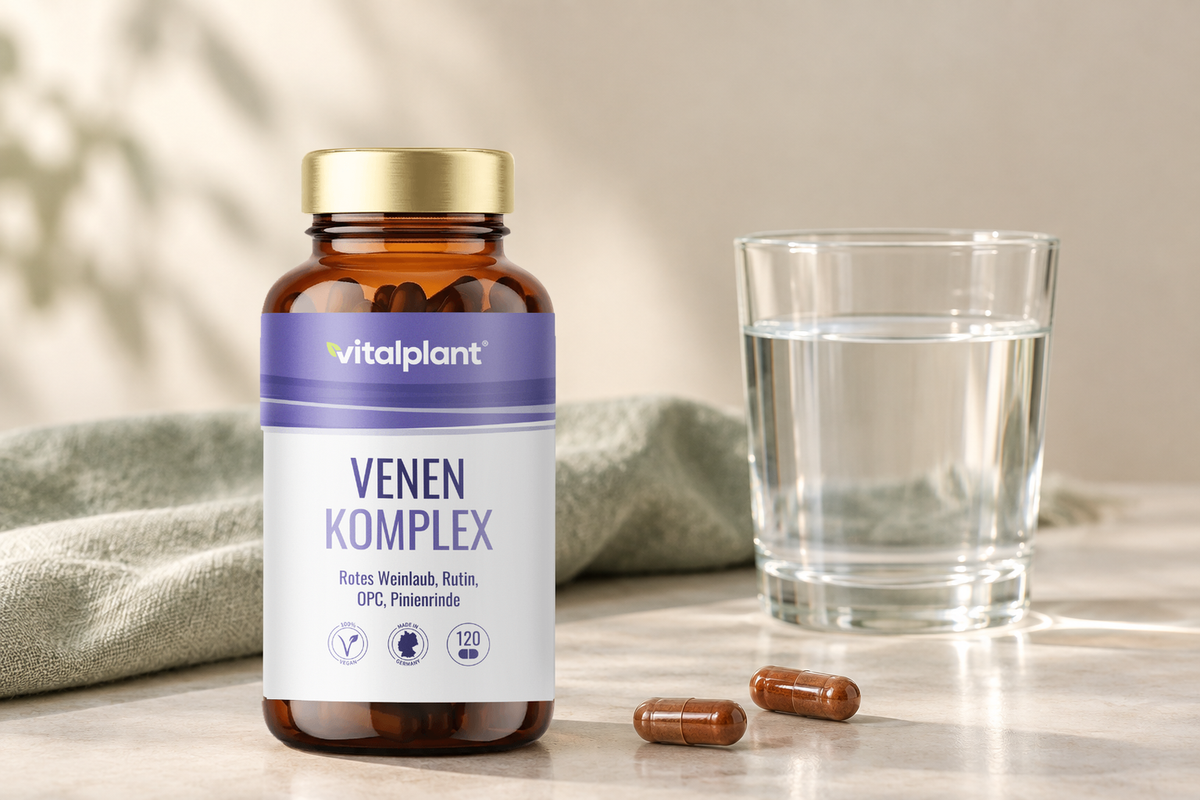
Vene Complex capsules combine red vine leaf, rutin, grape seed extract, pine bark extract, acerola, quercetin, and black pepper extract. Each daily dose contains 45 mg vitamin C. 120 capsules for 60 days. Laboratory-tested from the pharmacist’s manufactory in Memmingen.

€26,90

€317,97 kg
Tax included.
Shipping calculated at checkout.

In stock - Arrives in 2-3 working days!

Size: 120 capsules

Pay securely with PayPal Klarna Visa Mastercard Apple Pay Google Pay American Express

All payment methods

  • PayPalPayPal
  • KlarnaKlarna
  • Visa Visa
  • Mastercard Mastercard
  • Apple Pay Apple Pay
  • Google Pay Google Pay
  • American Express American Express
  • BizumBizum
  • EPS eps
  • iDEAL WeroIdeal
  • MaestroMaestro
  • Shop Pay Shop Pay
  • Union PayUnionPay

Payment is SSL encrypted via Shopify Checkout.

Seven plant compounds with vitamin C from acerola

The Venen Komplex capsules from Vitalplant combine seven plant-based ingredients. Most of them belong to the same group of substances: secondary plant compounds from the flavonoid group and related compounds.

Seven ingredients, one group of substances

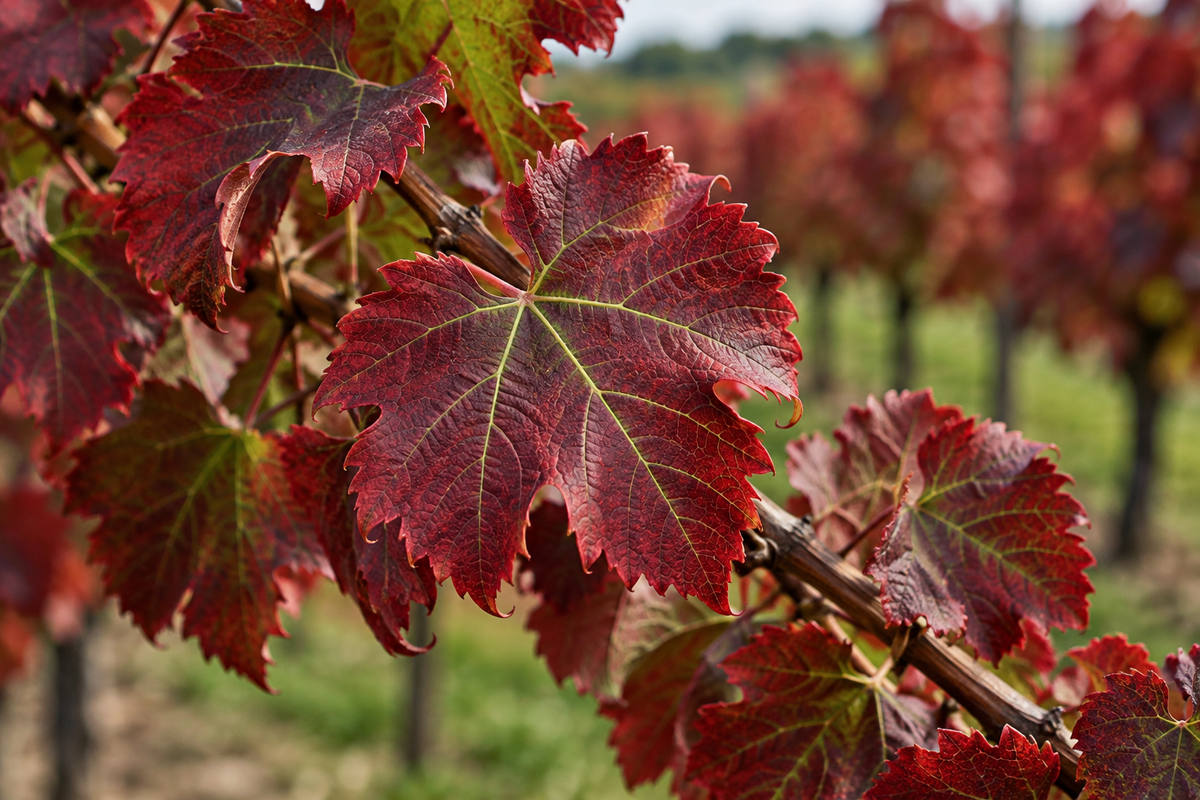
Red vine leaf, 150 mg per capsule. A 4:1 extract from the leaves of the red wine grapevine, which turn a characteristic red in autumn.

Rutin, 150 mg. A flavonoid that naturally occurs in buckwheat and elderberry, among other sources.

Pine bark extract, 100 mg. Obtained from the bark of the maritime pine, Pinus pinaster.

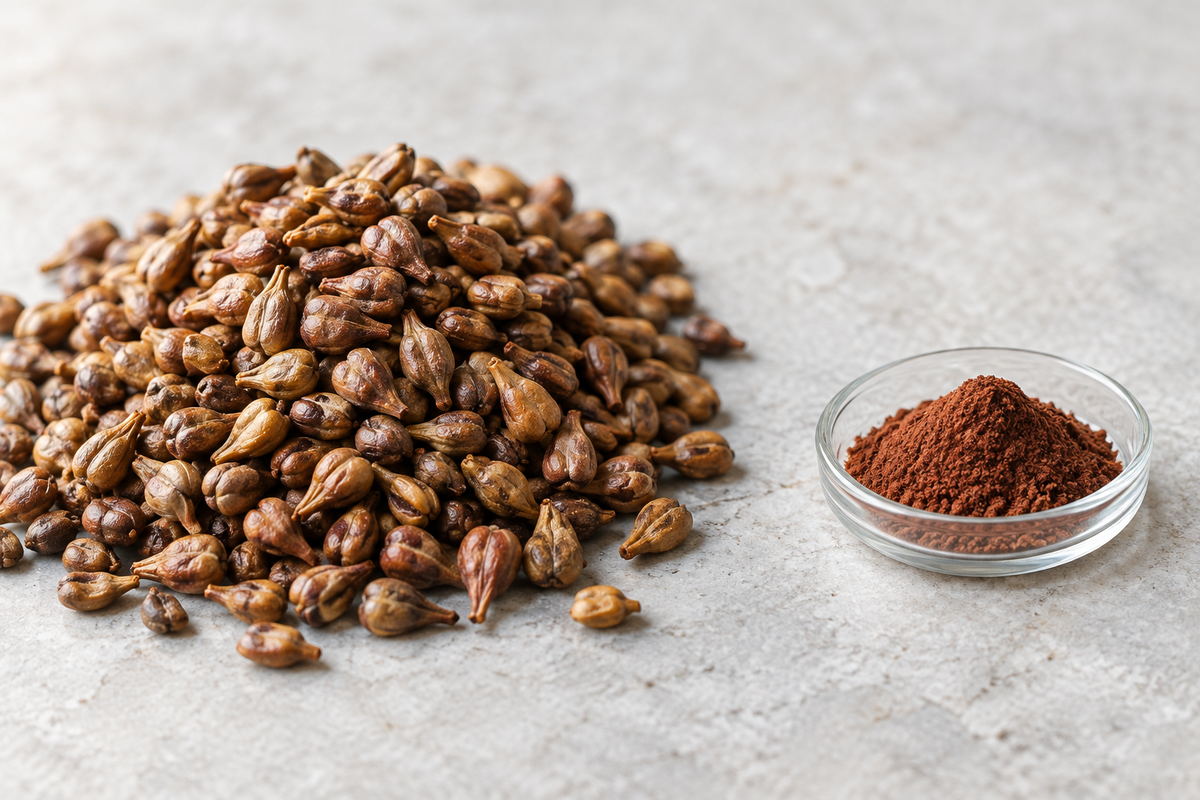
Grape seed extract, 100 mg. Standardized to 95 percent OPC, oligomeric proanthocyanidins, also compounds from the flavonoid family.

Acerola extract, 90 mg. Standardized to 25 percent natural vitamin C. This provides 22.5 mg vitamin C per capsule.

Quercetin, 10 mg, and black pepper extract, 5 mg with 95 percent piperine.

What vitamin C does

Vitamin C contributes to normal collagen formation for normal blood vessel function. Collagen is the structural protein that gives vessel walls their strength.

Vitamin C also helps protect cells from oxidative stress and reduces tiredness and fatigue. Two capsules a day provide 56 percent of the nutrient reference value. All three claims are listed in the EU Register of authorized health claims.

Venen Komplex capsules: composition and quality

The formula consists of the seven ingredients and the capsule shell made of hydroxypropyl methylcellulose. No fillers, no anti-caking agents, no colorants. The product is vegan and gluten-free, packed in amber glass. Every batch is tested for heavy metals by an independent laboratory.

Behind Vitalplant is Christian Lazar, licensed pharmacist with over 35 years of professional experience at Stern Apotheke.

Inhalte zuletzt geprüft am

Red vine leaf extract (4:1), Rutin, Grape seed extract (95% OPC), Pine bark extract, Acerola cherry extract (25% natural Vitamin C), Quercetin, Black pepper extract (95% piperine), vegetarian capsule shell: Hydroxypropylmethylcellulose.

Recommended intake: Take 2 capsules daily with sufficient liquid with a meal.

Important information: Food supplements are not a substitute for a balanced and varied diet and lifestyle. The stated recommended daily intake must not be exceeded. Keep out of reach of small children.

Allergens: According to the raw material specification, no allergens subject to mandatory labeling in accordance with Annex II of Regulation (EU) No. 1169/2011 are contained.

Storage: Store in a cool, dry place, do not freeze, and protect from direct sunlight.

Rutin was once called vitamin P

In the 1930s, the term vitamin P was proposed for this class of substances, with the P standing for permeability. The name did not last long: by definition, a vitamin is essential to life, and that could not be proven. The name was withdrawn, but it still appears in older literature today.

Chemically, rutin is nothing other than quercetin with an attached disaccharide called rutinose. Both names go back to common rue, Ruta graveolens, from which the compound was first isolated. Today it is obtained mainly from buckwheat and from the blossoms of the Japanese pagoda tree.

Why vine leaves turn red

In autumn, the vine breaks down its chlorophyll and returns the usable components to the trunk. In certain red wine varieties, the leaves also store anthocyanins during this phase, the same pigments that color the berry skin, and then glow deep red.

As a raw material, not every vine leaf is suitable, but only those from selected red-leaf varieties. It is harvested in autumn shortly before leaf fall, then gently dried. The ratio 4:1 means that four kilograms of dried leaf are used for one kilogram of extract.

A formula from a family of related compounds

Five of the seven ingredients belong to the same large group of substances. Rutin and quercetin differ only by a sugar residue. The OPC from grape seed and the procyanidins from pine bark are both proanthocyanidins, obtained from two different plant tissues. The red vine leaves in turn contribute their own flavonoids.

That is the logic behind this formula: not as many different topics as possible, but one class of substances from several sources. Whether that makes more sense than using a single source in a larger amount is a matter of preference; there is no evidence for either approach.

Why plants produce flavonoids

The name comes from the Latin flavus for yellow, because the first described members were yellow flower pigments. By now, several thousand different flavonoids are known, and not all of them are yellow.

For the plant, they serve several functions: they shield against UV radiation, color flowers for pollinating insects, and defend against fungi and herbivores. Because the group is so large and so diverse, the collective term flavonoids by itself says very little. An ingredient statement only becomes meaningful with the name of the individual compound and its amount.

Our vein complex capsules are manufactured to the highest quality standards and independently tested for heavy metals.

✔
Lab analysis - Download here!
✔ Product specification - Download here!

Vitalplant Vein Complex capsules for healthy blood vessels with red vine leaf, rutin, OPC and pine bark.

€26,90

€317,97 kg

€26,90

€317,97 kg

Zutaten, Gehalt und Einnahme

  • Venen Komplex Kapseln - 150 mg Rotes Weinlaub, 4:1

    150 mg Rotes Weinlaub, 4:1

  • Venen Komplex Kapseln - 100 mg Traubenkern, 95 % OPC

    100 mg Traubenkern, 95 % OPC

  • Venen Komplex Kapseln - 2 Kapseln zur Mahlzeit

    2 Kapseln zur Mahlzeit

Product reviews

Aus eigener Herstellung

  • Christian Lazar, Apotheker bei Vitalplant
    Vom Apotheker entwickelt Christian Lazar stellt jede Rezeptur selbst zusammen.
  • Pulver wird von Hand über die Kapselplatte abgestrichen
    Von Hand abgefüllt Kleine Chargen, jede Platte einzeln abgestrichen.
  • Kapselfüllgerät in der Herstellung
    Mechanisch dosiert Gleiche Menge in jeder einzelnen Kapsel.
  • Ohne künstliche ZusätzeKeine künstlichen Süßstoffe, Aromen oder Farbstoffe.
  • Geprüfte RohstoffeUnabhängig laborgeprüft, Analysenzertifikat auf jeder Seite.
  • Lichtgeschützt verpacktBraunglas oder blickdichter Beutel, je nach Produkt.
  • Kurze ZutatenlisteWas nicht hineingehört, steht auch nicht drin.

Frequently Asked Questions

Take 2 capsules daily with plenty of liquid with a meal. You can take both together or spread them across two meals. The link to food is explicitly stated in the dosage recommendation.

The measurable part is the vitamin C from acerola extract. Two capsules provide 45 mg, which is 56 percent of the nutrient reference value. Vitamin C contributes to normal collagen formation for normal blood vessel function. It also helps protect cells from oxidative stress and supports the normal function of the immune system. We list the amounts for the plant extracts.

Je Kapsel: 150 mg Rotes-Weinlaub-Extrakt im Verhältnis 4:1, 150 mg Rutin, 100 mg Pinienrindenextrakt, 100 mg Traubenkernextrakt mit 95 Prozent OPC, 90 mg Acerola-Extrakt, 10 mg Quercetin und 5 mg Schwarzer-Pfeffer-Extrakt mit 95 Prozent Piperin. Sieben Bestandteile, alle mit ausgewiesener Menge.

A flavonoid found in many plants, especially abundant in buckwheat and rue, from which it takes its name. Chemically, rutin is the glycoside of quercetin, that is, quercetin with an attached sugar molecule. Both are included in this formula, rutin at 150 mg and quercetin at 10 mg per capsule.

OPC stands for oligomeric proanthocyanidins, a group of plant compounds found in grape seeds and pine bark. 95 percent is the standardization value: in 100 mg of extract, there are around 95 mg of OPC. The same group of compounds also defines pine bark extract, which is why both appear side by side in this formula.

Yes, in several places. We also carry grape seed extract as OPC capsules, pine bark is included in the men's capsules, and acerola is available as a standalone product. If you take several products in parallel, you should mainly add up the vitamin C.

Yes. The formula consists of the seven extracts and individual ingredients, as well as the capsule shell made of hydroxypropyl methylcellulose. No release agents, no anti-caking agents, no colorants or fillers.

The bottle contains 120 capsules and lasts 60 days at two capsules per day. It is bottled in amber glass, which blocks the UV portion of light. That matters in a formula with so many flavonoids, because this group of compounds is sensitive to light.

General ratings from our customers