


Minerals
Magnesium, iron, zinc, and selenium compared
With minerals, what else is in the capsule matters too. Magnesium comes in three forms, zinc is available on its own or with vitamin C, and there’s also selenium. For iron, choose between Vegan Iron from curry leaf and Iron Glycinate with lactoferrin from milk. If you avoid animal-derived ingredients, plant-based iron is the right choice.
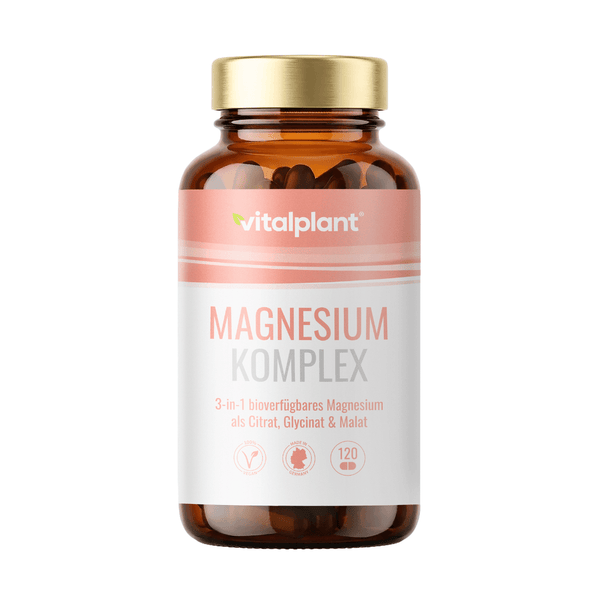
Three magnesium compounds with 100 percent of the nutrient referenc...
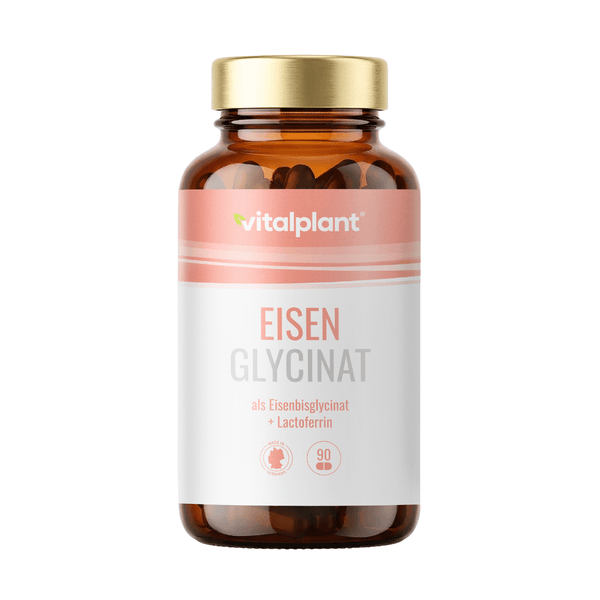
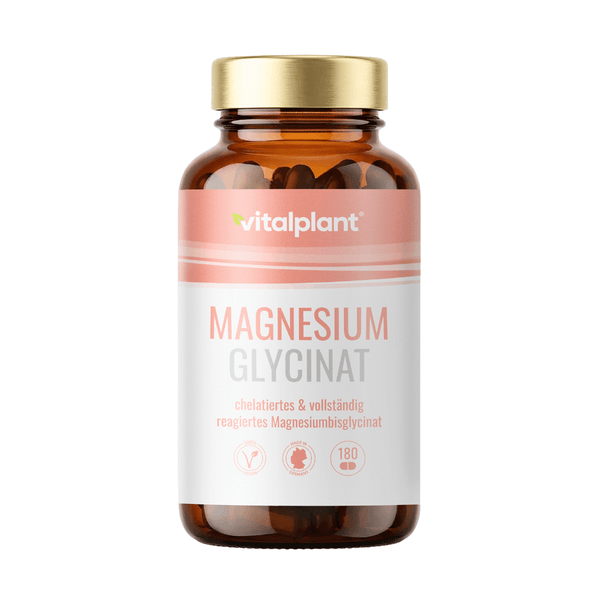
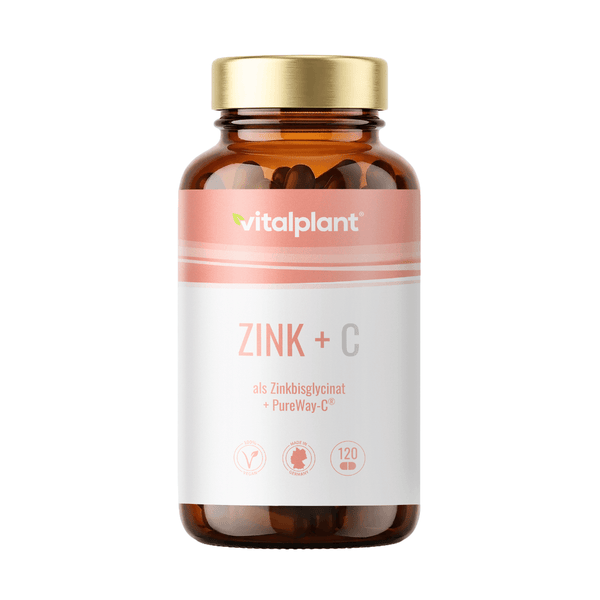
12 mg of iron from curry leaf extract
Das solltest du über Minerals wissen
Alles über Minerals
Buy minerals and trace elements: organically bound, lab-tested
Minerals are the silent workers of metabolism. They provide no energy and are not involved in any spectacular process — but without them, practically nothing works: no heartbeat, no muscle contraction, no oxygen transport, no bone formation.
On this page, you’ll find what sets minerals apart from vitamins, why the chemical bond determines absorption, and what each of our products is for. You can find the matching vitamins in the vitamins category.
What minerals are
Minerals are inorganic nutrients — chemical elements, not complex molecules like vitamins. That has an important consequence: while the body can at least convert some vitamins or even produce them itself to a certain extent, that is not possible with minerals. An element cannot be synthesized.
Their journey begins in rock: weathering releases minerals into the soil, plants absorb them through their roots, animals eat the plants — and in the end they end up on our plates. That is why the mineral content of foods depends directly on the nature of the soils in which they grew. This is not theory: the selenium-poor soils of Central Europe are the reason selenium is a topic here.
Bulk elements
The body needs calcium, magnesium, potassium, sodium, chloride, and phosphorus in larger amounts — from a few hundred milligrams up to several grams daily. Calcium contributes to the maintenance of normal bones and teeth, magnesium to normal muscle function and the reduction of tiredness and fatigue, and potassium to the maintenance of normal blood pressure.
Trace elements
Iron, zinc, selenium, iodine, copper, manganese, chromium, and molybdenum are only needed in milligram or even microgram amounts. They are still vital: iron contributes to normal oxygen transport, zinc to normal immune system function, iodine to normal thyroid function, and copper to the maintenance of normal connective tissue.
Organic or inorganic: the crucial question
This is the most important quality difference in mineral supplements — and the one explained least often. A mineral never comes into the capsule in pure form, but always as a compound. Which one it is determines absorption and tolerability.
Inorganic compounds
Magnesium oxide, zinc oxide, ferrous sulfate, calcium carbonate: they are cheap to produce and contain a lot of mineral per gram. The catch is absorption — the body usually utilizes them much less effectively, and they can irritate the stomach. A product with “400 mg magnesium from magnesium oxide” sounds strong, but may deliver less to the body than a lower dose in a better form of binding.
Organic compounds
Here, the mineral is bound to an organic acid (citrate, malate) or to an amino acid (bisglycinate). These forms are more expensive, but are considered more bioavailable and gentler on the stomach. Bisglycinates — bound to the amino acid glycine — are the gentlest variant and are absorbed via their own pathway.
The calculation nobody makes
When comparing, pay attention to the elemental amount, not the amount of the compound. 800 mg magnesium citrate contains around 123 mg elemental magnesium; the rest is citrate. On our site, the elemental amount is shown on every product page — exactly for that reason.
Magnesium: the most searched-for mineral
Magnesium is involved as a cofactor in over 300 enzyme reactions and has one of the longest claim lists of all: normal muscle function, normal energy metabolism, normal function of the nervous system, normal psychological function, reduction of tiredness and fatigue, and maintenance of normal bones and teeth.
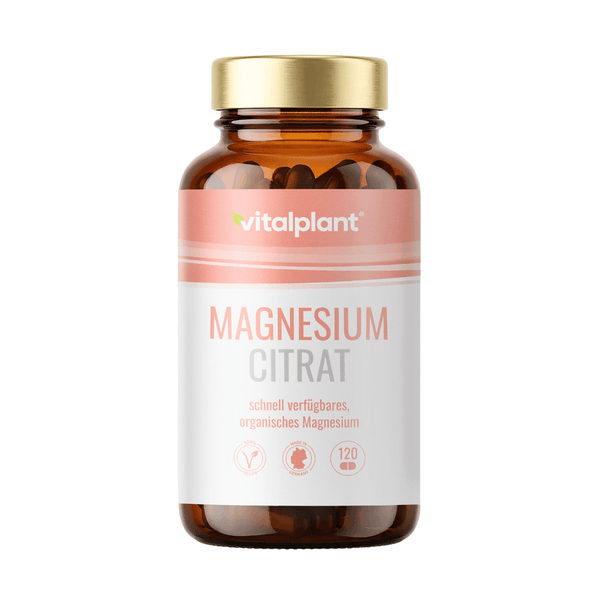
We offer three forms: Magnesium Citrate with 246 mg elemental magnesium per daily dose, Magnesium Glycinate with 280 mg in a particularly gentle bisglycinate form, and the Magnesium Complex 3-in-1 with 375 mg from citrate, bisglycinate, and malate.
All details, a comparison of the compounds, and the question of dose splitting: to the magnesium category.
Zinc: a trace element with a broad range of tasks
Zinc is involved in over 300 enzymes and has an unusually broad claim list: it contributes to normal immune system function, to the protection of cells from oxidative stress, to normal cell division and DNA synthesis, to the maintenance of normal hair, nails, and skin, to normal cognitive function, to normal fertility and reproduction, and to the maintenance of normal testosterone levels in the blood.
One point that is often overlooked: the body has no significant zinc stores. Regular intake is therefore more important than an occasional high dose. With a fully plant-based diet, another factor comes into play: phytic acid from grains and legumes can inhibit absorption — soaking, sprouting, and sourdough fermentation reduce this effect.
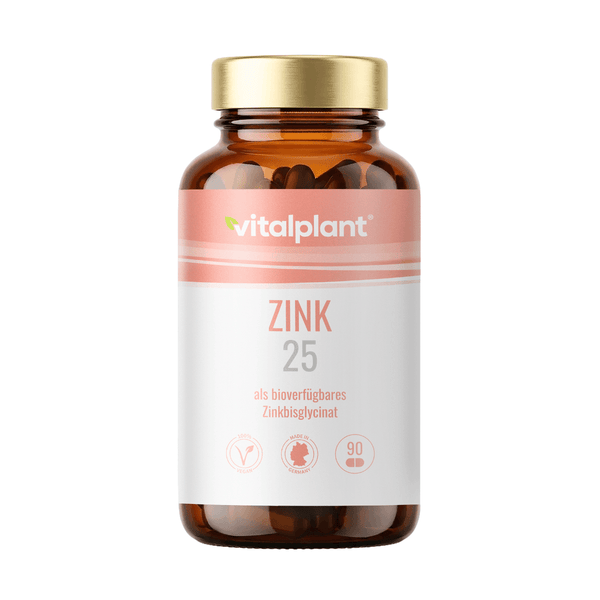
Our Zinc + C capsules combine 10 mg zinc bisglycinate with 320 mg vitamin C — both contribute to normal immune system function. Zinc 25 provides 25 mg elemental zinc for specifically higher needs.
VITALPLANT ZINC 25 — 25 mg elemental zinc as bisglycinate
- 25 mg elemental zinc per capsule, organically bound as bisglycinate
- Zinc contributes to normal immune system function
- Zinc contributes to the maintenance of normal hair, nails, and skin
- Vegan, without magnesium stearate or fillers
- Lab-tested batch by batch, filled in Memmingen
Iron: the trace element with the greatest need for advice
Iron contributes to normal formation of red blood cells and hemoglobin, to normal oxygen transport in the body, to normal energy metabolism, to normal cognitive function, and to the reduction of tiredness and fatigue.
Heme iron and non-heme iron
Iron from animal sources (heme iron) is absorbed much better than iron from plant sources (non-heme iron). That is why it should be looked at more closely with a fully plant-based diet. The good news: vitamin C increases iron absorption — a glass of orange juice with an iron-rich meal makes a measurable difference. Coffee and black tea have the opposite effect.
Our two variants
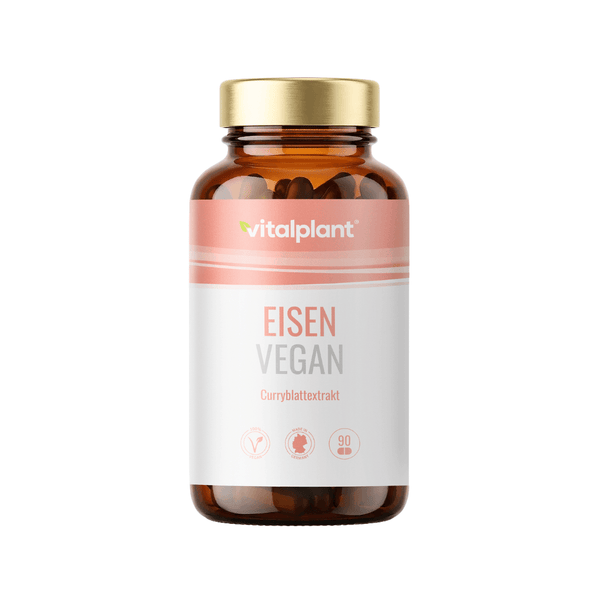
The Iron Glycinate Capsules provide 14 mg iron as a well-tolerated bisglycinate, combined with vitamin C and lactoferrin. Important: lactoferrin is derived from milk — the product is vegetarian, but not vegan. Those looking for a fully plant-based option will find it in Iron Vegan with 12 mg iron from curry leaf extract.
An important note: iron is one of the minerals you should not supplement on a hunch. Too much iron is just as unfavorable as too little. Have your ferritin level checked before supplementing long term.
Selenium: the soil problem
Selenium contributes to normal thyroid function, normal immune system function, protection of cells from oxidative stress, and the maintenance of normal hair and nails.
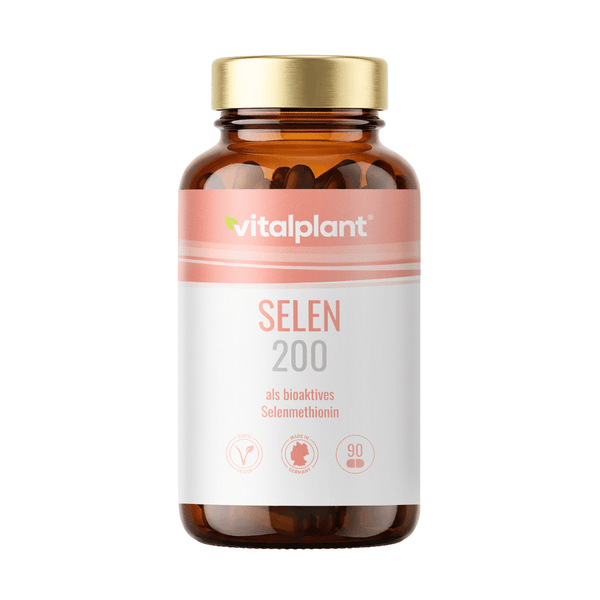
The special feature lies in geography: the soils in large parts of Europe are low in selenium, unlike in North America, for example. What is missing from the soil is missing from the plants — and thus from the entire food chain. Our Selenium Capsules provide 200 µg selenium as organic selenomethionine with buckwheat sprout extract; 90 capsules are enough for around three months. With selenium, in particular: do not exceed the stated amount.
Interactions: what works together and what does not
Minerals partly share the same transport pathways in the intestine — and then compete with each other.
What inhibits each other
Calcium, iron, and zinc compete for the same absorption pathways. If you supplement all three, it is better to spread them out over the day rather than taking them together. Coffee, black tea, and whole-grain phytates can also inhibit the absorption of iron and zinc.
What supports each other
Vitamin C increases iron absorption — an authorized claim. Vitamin D contributes to normal absorption and utilization of calcium and phosphorus. Vitamin K2, together with calcium, contributes to the maintenance of normal bones. These relationships have already been taken into account in our formulations.
When needs increase
- Fully plant-based diet: iron, zinc, and iodine are absorbed less well from plant sources.
- Pregnancy and breastfeeding: the need for iron, iodine, folate, and magnesium increases significantly — this should be handled by a doctor.
- Intense sport: magnesium, sodium, potassium, and zinc are lost through sweat.
- Older age: absorption from the intestine declines; at the same time, calcium and vitamin D become more important for maintaining normal bones.
- Women of childbearing age: menstruation means a higher iron requirement than for men.
Minerals in foods
- Magnesium: pumpkin seeds, sunflower seeds, almonds, whole grains, legumes, dark chocolate
- Zinc: beef, cheese, oats, pumpkin seeds, lentils
- Iron: meat, legumes, millet, amaranth, pumpkin seeds — combine plant iron with vitamin C
- Selenium: Brazil nuts (very high concentration, a few are enough), fish, eggs, sesame
- Calcium: dairy products, kale, broccoli, sesame, calcium-rich mineral water
- Potassium: bananas, apricots, potatoes, legumes, spinach
- Iodine: sea fish, algae, iodized table salt
What to look for when buying
1. The compound, not just the mineral
Does it say “magnesium” or “magnesium bisglycinate”? Only the specific compound tells you something about the absorption to expect.
2. Elemental amount and NRV
Always compare the elemental amount — and the percentage of the reference value, which makes products comparable.
3. Dosing with common sense
With selenium, iodine, zinc, and iron, more is not better. Reputable providers follow recommendations, not mega-doses.
4. Lab testing for every batch
Minerals come from mineral raw materials; testing for heavy metals is standard. We test every batch, and the certificates are available to view.
5. Short ingredient list
No magnesium stearate, no anti-caking agents, no colorants.
Quality from our workshop in Memmingen
As a family-run workshop in the Allgäu, we make our own raw material decisions — and consistently choose organically bound forms, even though they cost many times more than inorganic ones. In addition: vegan capsule shells made from cellulose, no fillers, independent lab testing of every batch, and filling in light-protective amber glass.
Conclusion and further categories
With minerals, the bond determines what reaches the body — not the biggest number on the bottle. When comparing, look at the elemental amount, the compound, and the purity.
Discover more: the magnesium category with a detailed comparison of the compounds, the vitamins as the counterpart, and the energy & sport topic world.
Note: food supplements are not a substitute for a varied and balanced diet and a healthy lifestyle. The stated recommended daily intake must not be exceeded. Keep out of reach of small children. Information according to Regulation (EC) No. 1924/2006 and Regulation (EU) No. 432/2012.