

Vitamins for the immune system are especially relevant during the colder months. Vitamin C, vitamin D and zinc contribute to normal immune system function, making them important parts of your daily nutrition. But your body needs a whole range of other micronutrients to stay well supplied around the clock.
In this guide, you'll learn which vitamins and trace elements are especially important for the immune system, which foods contain them and when targeted supplementation may be useful.
Das Wichtigste in Kürze
- Vitamin C, vitamin D, vitamin A, vitamin B6, zinc, selenium, iron and copper contribute to the normal functioning of the immune system.
- Vitamin C is abundant in peppers, broccoli, citrus fruits, acerola and rose hips.
- From October to March, sunlight in Central Europe is often insufficient for the body to produce vitamin D.
- Good sources of zinc and selenium include pumpkin seeds, Brazil nuts, legumes, fish and eggs.
- Supplements may be useful for an unbalanced diet, during winter or when a deficiency has been diagnosed by a doctor. Do not exceed the recommended dose of fat-soluble vitamins.
How does the immune system work? Innate and adaptive immunity
Your immune system is a complex network of organs, tissues and specialized cells. It can be divided into two main parts: innate and adaptive immunity.
Innate immunity responds immediately and non-specifically. It includes physical barriers such as skin and mucous membranes, which make it harder for pathogens to enter the body. Vitamin A contributes to the maintenance of normal skin and mucous membranes, playing a role in this barrier function.
Adaptive immunity produces antibodies that specifically target certain pathogens and stores this information in a kind of memory. A regular supply of certain micronutrients is important for all these processes to run smoothly. Vitamin C, zinc, selenium, iron, copper, vitamin A, vitamin D and vitamin B6 each contribute to normal immune system function.
Vitamin C: the classic choice for the immune system
When it comes to the immune system, most people think of vitamin C first, and with good reason. Vitamin C contributes to normal immune system function and helps maintain this function during and after intense physical exercise. It also helps protect cells from oxidative stress.
💡 Good to know: Vitamin C is sensitive to heat and light. Bell peppers, broccoli and cabbage provide the most when eaten raw or cooked only briefly.
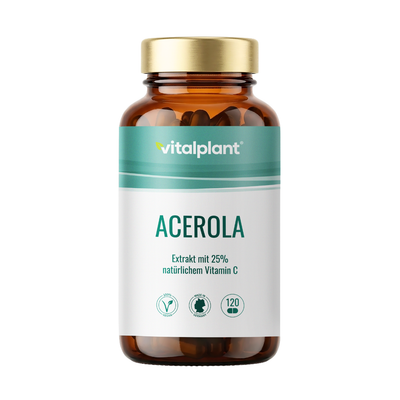
Vitamin C is a water-soluble vitamin that your body cannot produce on its own, so getting enough through your daily diet is important. It is abundant in citrus fruits, bell peppers, broccoli, rose hips and acerola. Those who don't meet their needs through diet alone often turn to a natural source of vitamin C such as acerola, which provides the vitamin alongside other plant compounds.

Acerola and Vitamin C 1000 by Vitalplant
Our Acerola Capsules contain 500 mg of acerola extract per capsule, with 125 mg of natural vitamin C. The recommended intake is two capsules daily with a meal. Each capsule contains nothing but the extract and a vegan shell.

For those looking for a higher dose, Vitamin C 1000 provides 1,000 mg of vitamin C per daily serving (two capsules, each containing 500 mg of PureWay-C®).
Vitamin D: the sunshine vitamin in winter
Vitamin D is unique because your body can produce it with the help of sunlight. Even so, insufficient levels are widespread in Central Europe, especially during the winter months. This matters because vitamin D contributes to normal immune system function, making it a good reason to keep an eye on your levels throughout the year.
💡 Good to know: From October to March, the sun is so low in the sky in Central Europe that the skin can produce very little vitamin D. This is when many people's levels are at their lowest.
Oily fish and egg yolks provide only small amounts. Targeted supplementation may therefore be useful to meet your needs throughout the year. Vitamin D also contributes to the maintenance of normal bones, normal muscle function and the normal absorption and utilization of calcium and phosphorus.

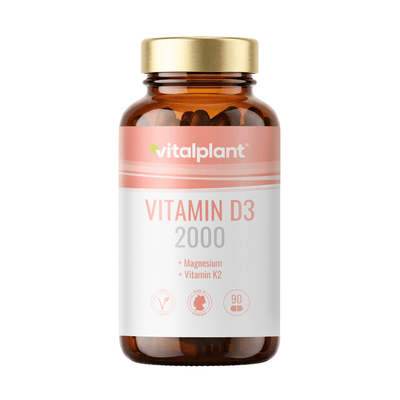
Vitamin D3+ Capsules by Vitalplant
Our Vitamin D3+ Capsules combine vitamin D3 with vitamin K2 (MK7) and magnesium citrate. They are available with 2,000 or 4,000 IU of vitamin D3 per capsule. Because of the high dose, you don't take them daily: take one 2,000 IU capsule every other day or one 4,000 IU capsule every fourth day.
→ Discover Vitamin D3+ Capsules
ImportantIf you suspect you have an increased need for vitamin D, a blood test with your doctor is recommended. Only take high-dose vitamin D supplements over long periods after consulting a doctor.
Vitamin A: for skin and mucous membranes
Vitamin A contributes to normal immune system function and also helps maintain normal skin and mucous membranes. Its precursor, beta-carotene, a natural pigment found in carrots and dark leafy greens, is converted into vitamin A by the body when needed.
Animal sources of vitamin A include liver and dairy products, while plant-based precursors (beta-carotene) are found in carrots, sweet potatoes, spinach and kale.
ImportantVitamin A is fat-soluble and stored in the body. Pregnant women and people already taking other supplements should not exceed the recommended daily dose and should seek medical advice if in doubt.
Zinc, selenium, iron and copper: trace elements for the immune system
Alongside vitamins, trace elements also play a role. Four of them contribute directly to normal immune system function:
- Zinc contributes to normal immune system function, as well as to the protection of cells from oxidative stress and normal macronutrient metabolism
- Selenium contributes to normal immune system function and helps protect cells from oxidative stress
- Iron contributes to normal immune system function, normal oxygen transport, the normal formation of red blood cells and the reduction of tiredness and fatigue
- Copper contributes to normal immune system function
Zinc is involved in more than 300 enzymatic reactions. Good sources include meat, legumes, nuts, pumpkin seeds and whole grains. Absorption tends to be more difficult on a vegetarian or vegan diet because phytates from plants can reduce it.
Selenium is an essential trace element that you need to get from food. European soils are relatively low in selenium compared with those in other parts of the world, so plant sources from Europe contain less selenium. Good sources include Brazil nuts (which are especially rich), fish, eggs and whole grains.

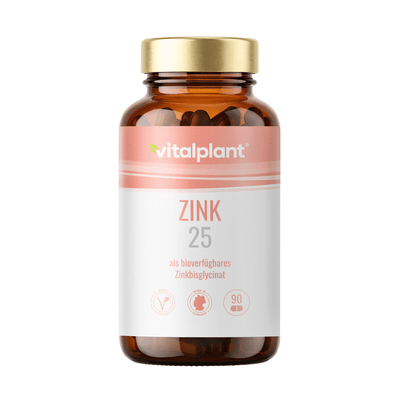
Zinc 25 and Selenium by Vitalplant
Our Zinc 25 Capsules provide 25 mg of zinc from zinc bisglycinate; take one capsule daily before a meal.
For those looking to supplement selenium, our Selenium Capsules provide 200 µg of selenium as selenomethionine per capsule. Selenium contributes to normal immune system function, as well as the maintenance of normal nails and normal thyroid function.
Vitamin E, B vitamins and folic acid
Vitamin E helps protect cells from oxidative stress. You'll find it in vegetable oils, nuts and wheat germ. As a fat-soluble vitamin, it is better absorbed when consumed with a little fat.
B vitamins also play a role: vitamin B6 contributes to normal immune system function and is involved in energy metabolism. Vitamin B12 contributes to the normal formation of red blood cells and normal energy metabolism. Folic acid contributes to the reduction of tiredness and fatigue and has a role in cell division. Copper contributes to normal immune system function and is found in whole grains, legumes, nuts, organ meats and shellfish.
💡 Good to know: Micronutrients work as a team. Vitamin C, for example, helps increase iron absorption. A well-considered combination of several micronutrients is therefore often more practical in everyday life than taking many individual supplements.
Plants in your routine: rose hips, ginger and aronia
Alongside vitamins and minerals, plants are also part of a varied diet. We introduce them here as ingredients with a long history of use.
Ginger is a traditional spice that has been used in Asian cuisine for centuries. Its characteristic compounds include gingerols and shogaols. Rose hips naturally contain vitamin C. The aronia berry is a traditional dark berry with distinctive plant compounds (anthocyanins).
Our Organic Rose Hip Capsules contain 500 mg of organic rose hip powder per capsule from certified organic farming (DE-ÖKO-039). The recommended intake is two capsules daily.
When are supplements useful?
A balanced diet is the foundation. In everyday life, however, many people find it difficult to get enough of every micronutrient from food. Targeted supplementation may be useful if:
- your diet lacks variety, for example a vegan or vegetarian diet without proper planning
- a demanding phase of life calls for more attention to your routine
- your skin cannot produce vitamin D during the winter months
- intense physical activity increases your needs
- a deficiency has been diagnosed by a doctor
When buying supplements, look for well-absorbed forms, no unnecessary additives and transparent manufacturing.
Immune Complex by Vitalplant
Our Immune Complex combines vitamin C, zinc and selenium with extracts of turkey tail, reishi, echinacea and andrographis, as well as beta-glucans from brewer's yeast (Yestimun®). The recommended intake is three capsules daily with a meal.

ImportantIf you suspect a nutrient deficiency or have a chronic illness, the right step is to see a doctor for an assessment and blood tests. I advise against making general assumptions based on self-diagnosis or taking uncontrolled high doses.
Your immune system in everyday life: exercise, sleep and sunlight
Getting enough vitamins and minerals alone isn't enough. Your lifestyle matters too. Regular exercise in the fresh air, enough sleep (7 to 8 hours) and mindful stress management are additional building blocks.
Exercise in the fresh air has a double benefit: it's part of an active lifestyle, and sunlight allows your body to produce vitamin D, which contributes to normal immune system function. Your body recovers while you sleep, an important part of your well-being.

Conclusion: vitamins for your immune system in everyday life
You don't need to look for the most important vitamins for your immune system in a single pill. Instead, focus on everyday habits: a varied diet, exercise in the fresh air and good sleep. When daily life makes this difficult, you can supplement where needed. At our facility, you'll find everything in one place: the Immune Complex as a combination, Acerola Capsules and Vitamin C 1000 for vitamin C, Vitamin D3+ Capsules for the darker months and Zinc 25 as a straightforward staple. Everything is lab-tested, free from unnecessary additives and made with ingredients we stand behind.
My advice from years in the pharmacy: don't look for a miracle cure; consistently get the basics right.
Related topics
- Acerola: a closer look at the tropical vitamin C fruit
- Zinc: a versatile mineral
- What you should know about rose hips
- The B vitamins: a strong team
Information about dietary supplementsDietary supplements are not a substitute for a varied and balanced diet and a healthy lifestyle. Do not exceed the recommended daily intake. Keep out of reach of young children. This guide is for general information and does not replace individual advice from a doctor or pharmacist. Claims in accordance with Regulation (EC) No. 1924/2006 and EU Regulation No. 432/2012.