

Does this sound familiar? As soon as it gets colder outside, you catch another cold. Your colleagues are coughing, your nose is running, and you wonder what you can do for your immune system. Search online and you'll soon come across the term immune system booster.
To be honest, the term isn't quite accurate: there's no remedy that "boosts" your immune defences beyond normal levels. What does exist is a range of small everyday habits that together provide a solid foundation: diet, exercise, sleep, managing stress and nutrients such as vitamin C, vitamin D and zinc, which contribute to the normal function of the immune system.
At my father's pharmacy, I learned early on just how much these basics matter. In this guide, I'll walk you through them: what your immune system does, the roles of diet, home remedies and your gut, which nutrients contribute and what your personal immune health plan for the colder months might look like.
Das Wichtigste in Kürze
- There is no “booster” that enhances the immune system beyond its normal level.
- The foundations are nutrition, exercise, sleep and managing stress well.
- Vitamin C, vitamin D, vitamin A, zinc and selenium contribute to the normal function of the immune system.
- A large proportion of immune cells are found in the gut, and a fibre-rich diet is a good foundation.
- Home remedies such as ginger, honey and turmeric have a long history of use, but there are no authorised health claims for them.
What is your immune system and how does it work?
Your immune system is a complex network of organs, cells and signalling molecules. It works around the clock to identify and defend against pathogens such as viruses and bacteria. It has two components: the innate immune system responds immediately, while the acquired immune system takes a little longer but develops an immune memory that responds more quickly when it encounters the same pathogen again.
Normal immune function doesn't mean you'll never get sick. It means your body is well equipped to handle everyday demands.
The first barrier: skin and mucous membranes
Your defences begin at your mucous membranes. In your nose, mouth and throat, they form a first barrier that traps many pathogens. Vitamin A contributes to the maintenance of normal mucous membranes. Behind this first line of defence are immune cells: phagocytes that engulf invaders and specialised cells that target specific pathogens.
What throws your routine off balance
Chronic stress, lack of sleep, an unbalanced diet and too little exercise are the typical factors that throw your routine off balance. Many people notice this when they feel exhausted all the time.
ImportantIf you have a chronic illness, frequently recurring infections or your immune system is suppressed by medication, the first step is to seek medical advice. You should also speak to your doctor or pharmacist before taking any supplements.
Diet: the foundation of every immune health routine
When I'm asked what the single most important part of a mindful immune health routine is, my answer is diet. A balanced diet provides the building blocks your body needs for normal immune function. The German Nutrition Society recommends five portions of fruit and vegetables every day.
Fruit and vegetables: natural sources of vitamins
With over 140 mg of vitamin C per 100 g, bell peppers are among the richest vegetable sources. Citrus fruits, broccoli and berries are also good sources. Dark leafy greens provide folate and plant compounds. The more colourful your plate, the wider the range of micronutrients.
My tip from family life: I start almost every morning with a smoothie made from berries, spinach and a splash of lemon juice. It's simple and provides a good dose of vitamin C.
Ginger, turmeric and honey: time-honoured home remedies
Many home remedies are already in your kitchen. Ginger is a spice with a long history, prized for its aromatic flavour and pleasant heat - ideal for a hot tea during the colder months. For many, a hot lemon drink with fresh ginger and a spoonful of honey is a comforting ritual.
Turmeric is a traditional spice in Ayurvedic cooking and contains the pigment curcumin. Garlic, onions and elderberries round out the list of classic kitchen staples. There are no authorised health claims for these home remedies. They are no substitute for medical treatment, but can be a pleasant part of a varied routine.
💡 Good to know: Vitamin C is sensitive to heat. When making a hot lemon drink, let the water cool briefly after boiling before adding the lemon juice.

Your gut: home to many immune cells
A large proportion of your immune cells are found in your gut, specifically in the intestinal lining. So it's no wonder the gut comes up more and more often in conversations about the immune system. However, there are no authorised health claims for general statements about the gut microbiota and its effect on the immune system.
One thing you can do is eat a varied, fibre-rich diet. Whole grains, pulses, vegetables, fruit, nuts and fermented foods such as plain yoghurt, kefir and sauerkraut all have a place in a varied diet for your gut. Fibre from rye contributes to normal bowel function.

→ Explore digestion and gut health
Micronutrients: vitamins C, D and A, zinc and selenium
Alongside a balanced diet, certain micronutrients have been shown to contribute to the normal function of the immune system. These are the authorised claims:
- Vitamin C contributes to the normal function of the immune system, including during and after intense physical exercise
- Vitamin D contributes to the normal function of the immune system
- Vitamin A contributes to the maintenance of normal mucous membranes and the normal function of the immune system
- Zinc and selenium contribute to the normal function of the immune system
I explain in detail which foods provide these nutrients, why vitamin D can be in short supply during winter and how much you need in the guide Vitamins for the immune system.
💡 Good to know: From October to March, sunlight in Central Europe is often not strong enough for the skin to produce sufficient vitamin D. That's when getting enough becomes especially important.
Immun Komplex by Vitalplant
Our Immun Komplex combines vitamin C, zinc and selenium with extracts of turkey tail, reishi, echinacea and andrographis, plus beta-glucans from brewer's yeast (Yestimun®). The recommended intake is three capsules daily with a meal.

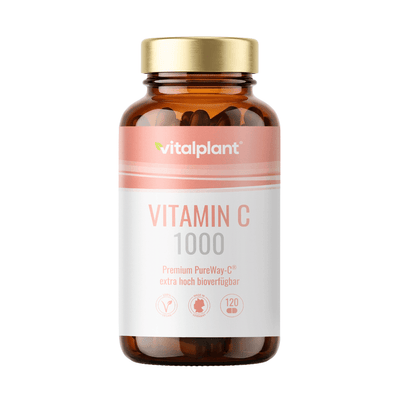
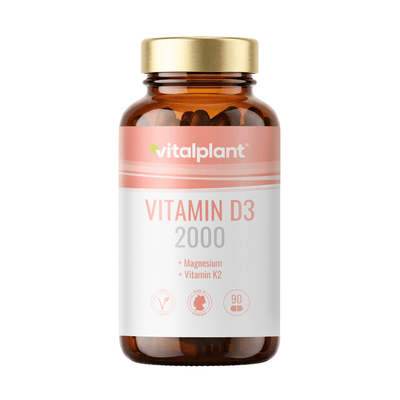
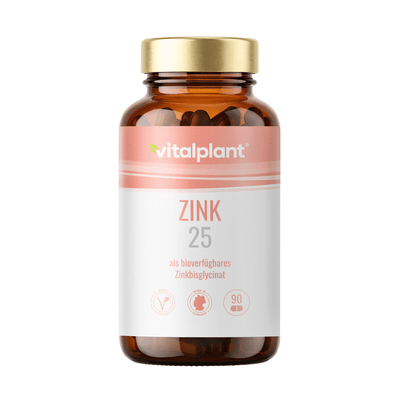
For those looking to supplement individual nutrients, we offer Vitamin C 1000 with 1.000 mg of vitamin C per daily dose, Vitamin D3+ capsules with vitamin D3, K2 and magnesium, and Zink 25 with 25 mg of zinc from zinc bisglycinate.
Exercise, sleep and stress: the other pillars
Alongside diet, your lifestyle plays a major role. Regular exercise, fresh air, enough sleep and managing stress form the foundation together with your nutrient intake.
Exercise in the fresh air
Moderate exercise is part of an active lifestyle, and doing it outdoors has a double benefit: when sunlight reaches your skin, your body produces vitamin D. The key is consistency - even 30 minutes of brisk walking a day makes a difference. I try to walk around the block at least once a day, even when my calendar is full.

Contrast showers: the Kneipp tradition
Contrast showers are a classic practice developed by Sebastian Kneipp: alternating between warm and cold water. Many people find them invigorating. Start warm, switch to cold for 15 to 30 seconds and always finish with cold water. If you have cardiovascular problems, speak to your doctor first.
Sleep, rest and stress
Getting enough sleep is an important part of a healthy lifestyle. For most adults, seven to nine hours is a good range. Find out more in the sleep guide. Mindful breaks are just as important: walks, breathing exercises or simply an evening without screens. Find out how to reduce everyday stress in the guide Stress.
Drink enough fluids
Drink about 1,5 Liter of water or unsweetened tea throughout the day. This helps keep your mucous membranes moist, especially in heated rooms during winter. Many people also find inhaling warm saltwater vapour soothing.
Your personal immune health plan for winter
A mindful immune health routine isn't accidental; it's the result of many small decisions. Here's what it might look like:
- eat a colourful variety of vegetables, fruit and whole grains every day
- exercise outdoors for at least 30 minutes every day
- sleep seven to nine hours
- schedule mindful breaks
- drink enough throughout the day
- supplement vitamin C, vitamin D and zinc as needed
My advice from years spent in the pharmacy: don't look for a miracle cure; focus on getting the basics right consistently.
Related topics
- Vitamins for the immune system: C, D, zinc and selenium
- Turmeric: effects, use, golden milk and side effects
- Good sleep: the comprehensive guide to sleep stages and sleep needs
- Stress: causes, symptoms, consequences and strategies
Food supplement noticeFood supplements are not a substitute for a varied and balanced diet and a healthy lifestyle. Do not exceed the recommended daily intake. Keep out of reach of young children. If you have a medical condition or are taking medication, seek medical advice before use.