

Acerola, also known as the Barbados cherry or West Indian cherry, originates from the Caribbean, Central America and South America. The bright red fruit is known for its refreshing flavor and exceptionally high natural vitamin C content - up to 4.500 mg per 100 g. For centuries, it has been enjoyed fresh or as juice in the tropics, and today it is recognized worldwide as one of the richest natural sources of vitamin C and a symbol of natural vitality and energy.

What is acerola and where does it come from?
Acerola, also known as the Barbados cherry or West Indian cherry, comes from Malpighia emarginata, a tropical shrub native to the Caribbean, Central America and parts of South America. Although it resembles a cherry, it belongs to a different botanical family. In its native regions, acerola is traditionally enjoyed fresh or as juice, prized for its lively flavor and invigorating properties [1].
In Brazil and surrounding regions, acerola has long been valued for its refreshing flavor and high nutrient content. Over time, this small fruit has attracted the interest of researchers and holistic health enthusiasts worldwide for one main reason: its exceptionally high vitamin C content [2].
What does acerola do in the body?
A common question is: What does the acerola cherry do in the body?
The answer lies primarily in its nutrient density, particularly its vitamin C content. Analyses show that acerola can contain up to 4.500 mg of vitamin C per 100 g of fruit, making it one of the richest natural sources of this essential nutrient [1].
According to the European Food Safety Authority (EFSA), vitamin C contributes to [3]:
- normal immune system function
- normal energy metabolism
- the protection of cells from oxidative stress
- the reduction of tiredness and fatigue
- normal collagen formation for the healthy function of skin, bones, cartilage, gums and blood vessels
These EFSA-confirmed functions explain why the acerola cherry is often associated with natural vitality and resilience.
In addition to vitamin C, acerola provides a variety of flavonoids, carotenoids and anthocyanins - powerful plant compounds that work synergistically with vitamin C to support antioxidant balance and cellular health [5].

Acerola Benefits: The Science Behind Its Power
A review published in the Journal of Food Science and Technology found that acerola has an exceptionally high vitamin C content and also contains bioactive compounds that enhance its antioxidant potential [1].
Studies also suggest that vitamin C from acerola may be better absorbed and retained in the body than synthetic forms, thanks to the synergy between ascorbic acid and plant flavonoids [7].
A 2024 review also found that acerola's plant compounds may modulate cellular processes involving oxidative stress and inflammation, contributing to overall vitality [6].
In short: The benefits of acerola powder or fresh fruit come from their high concentration of vitamin C and accompanying plant compounds, which nourish the body on multiple levels.

How Vitamin C Works in the Body: The Science Behind It
The effects of vitamin C extend far beyond its antioxidant function - it is a biochemical cofactor involved in numerous cellular processes that maintain health, energy and structure.
1. Collagen Formation and Skin Integrity
Vitamin C is essential for the synthesis of collagen, the structural protein that keeps skin, cartilage, tendons and blood vessels strong and elastic. It acts as a cofactor for the enzymes prolyl hydroxylase and lysyl hydroxylase, which stabilize and cross-link collagen fibers [9].
Vitamin C also influences collagen gene expression, strengthening the body's natural ability to form and maintain connective tissue [10]. Regularly consuming vitamin C-rich foods such as acerola can therefore support both inner vitality and outer radiance.
2. Reducing Tiredness and Fatigue
Vitamin C also contributes to reducing tiredness and fatigue, a function recognized by the EFSA [3]. This is linked to its role in the production of carnitine, a molecule that transports fatty acids into the mitochondria, where they are used to produce energy [11].
A clinical study of young adults with low vitamin C levels showed that four weeks of vitamin C supplementation improved attention and reduced fatigue compared with a placebo [12]. Vitamin C from acerola thus supports natural energy production, particularly during periods of high demand or stress.
3. Cofactor in Gene Regulation and Detoxification
Vitamin C also plays a subtle but important role in gene regulation and detoxification. It acts as a cofactor for enzymes in the TET and Jumonji families, which control DNA and histone demethylation - processes central to epigenetic control and cellular repair [13].
Through these mechanisms, vitamin C indirectly supports the transcription of genes involved in detoxification and oxidative balance, strengthening the body's natural resilience.

Acerola Powder: Concentrated Nutrients in a Convenient Form
Because fresh acerola cherries are very delicate and spoil quickly, the fruit is usually sold as a powder or in capsule form outside tropical regions.
Acerola powder is made by gently drying and grinding the fruit, often at low temperatures to preserve its nutrients. This process preserves most of the fruit's benefits, including vitamin C and accompanying plant compounds, in a stable, easy-to-use form.
Benefits of acerola powder:
- A natural, plant-based source of vitamin C instead of synthetic ascorbic acid
- Preserves synergistic plant compounds that may improve absorption
- Versatile - easy to mix into smoothies, juices or water
- Long shelf life and consistent potency
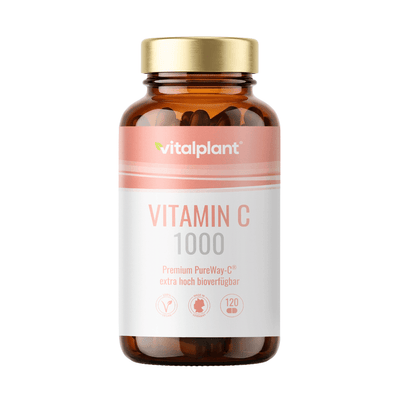
High-quality products such as Vitalplant's Acerola Vitamin C Capsules are made from sun-ripened acerola cherries and standardized to 25 % natural vitamin C. Each capsule contains 125 mg of vitamin C (156 % of the recommended daily intake) from 500 mg of acerola extract, in pure plant-based capsules without additives [8].

Because vitamin C is water-soluble and is not stored in the body long-term, regular daily intake is more effective than occasional high doses.
Safety and Dosage
Acerola and its extracts are generally considered well tolerated. The EFSA sets a safe upper intake level for vitamin C of 2.000 mg per day for adults [3]. Most acerola powders and capsules contain considerably less per serving, but total intake from all sources should still be considered.
People with sensitive digestion or certain medical conditions should consult their doctor or naturopath before taking dietary supplements.
Conclusion
The acerola cherry is one of nature's brightest and most nutrient-rich fruits - a small superfruit with a high concentration of vitamin C and antioxidant plant compounds.

Whether enjoyed fresh, as a powder or in capsules, it supports the body's natural functions related to energy metabolism, collagen formation, antioxidant protection and gene regulation.
For anyone seeking a holistic, plant-based source of vitality, acerola offers a simple and natural way to nourish the body over the long term and in harmony with nature.
Sources
[1] Prakash A. et al., Journal of Food Science and Technology, 55(9):3373–3384.
[2] Oliveira et al., Food Chemistry, 2021.
[3] EFSA Scientific Opinion on Vitamin C and Health Claims, EFSA Journal (2009;7(9):1226).
[4] Linus Pauling Institute, Oregon State University, "Vitamin C and Immune Function."
[5] Hapsari et al., Molecules, 2024.
[6] Yoshida et al., Food Science & Nutrition, 2019.
[7] Carr & Rowe, Nutrients, 2020.
[8] Vitalplant.de, "Acerola Vitamin C Capsules" (as of 2025).
[9] Kivirikko et al., Annals of the New York Academy of Sciences, 1982.
[10] Phillips et al., Antioxidants, 2022.
[11] Rebouche, Journal of Nutritional Biochemistry, 1991.
[12] Jung et al., European Journal of Nutrition, 2021.
[13] Kuiper & Vissers, Chemical Research in Toxicology, 2020.