Organic Gut Elixir Fermented Drink

Gut Elixir is a liquid organic dietary supplement with Jerusalem artichoke, beetroot, cranberry, vegetable and plant extracts, and microorganisms. The daily dose is 15 ml on an empty stomach. 500 ml for around 33 days. Laboratory-tested from the Memmingen pharmacy manufactory.

€35,90

€71,80 l
Tax included.
Shipping calculated at checkout.

In stock - Arrives in 2-3 working days!

Size: 500ml

Pay securely with PayPal Klarna Visa Mastercard Apple Pay Google Pay American Express

All payment methods

  • PayPalPayPal
  • KlarnaKlarna
  • Visa Visa
  • Mastercard Mastercard
  • Apple Pay Apple Pay
  • Google Pay Google Pay
  • American Express American Express
  • BizumBizum
  • EPS eps
  • iDEAL WeroIdeal
  • MaestroMaestro
  • Shop Pay Shop Pay
  • Union PayUnionPay

Payment is SSL encrypted via Shopify Checkout.

Fermented organic drink made from 22 plant-based ingredients

Most dietary supplements come as capsules or powders. Vitalplant’s Bio Gut Elixir is a liquid ferment: 22 fruit, vegetable, and herb ingredients from certified organic farming, prepared with microorganisms and fermented.

What fermentation does to the ingredients

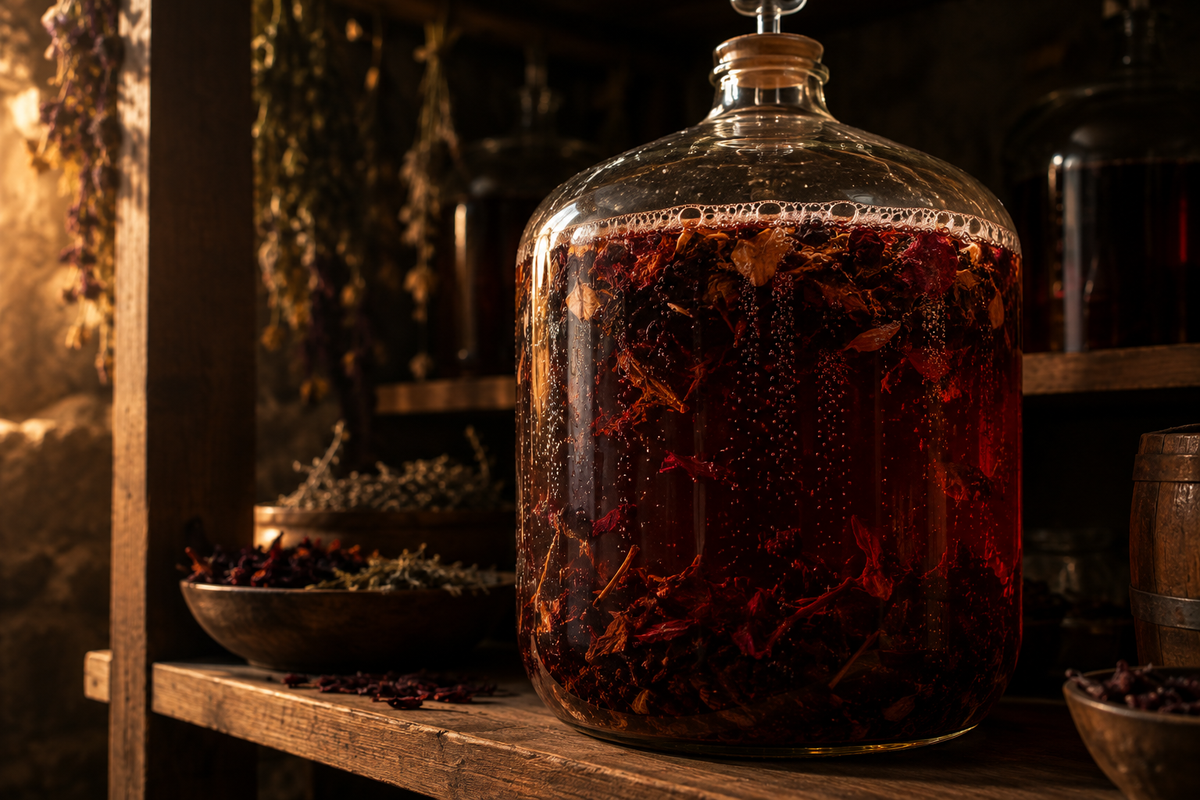
Fermentation is one of the oldest food production methods. Microorganisms transform the components of the raw material in the process. Cabbage becomes sauerkraut, milk becomes yogurt, grapes become wine. The process takes time, temperature, and the right cultures.

Seven cultures. Bifidobacteria and lactobacilli are at work in the starter, a total of seven different strains. They are contained in the finished drink.

That’s why it’s liquid. A ferment cannot be put into a capsule without losing its character. For Gut Elixir, the liquid form is not a matter of convenience, but the result of the process.

The 22 ingredients

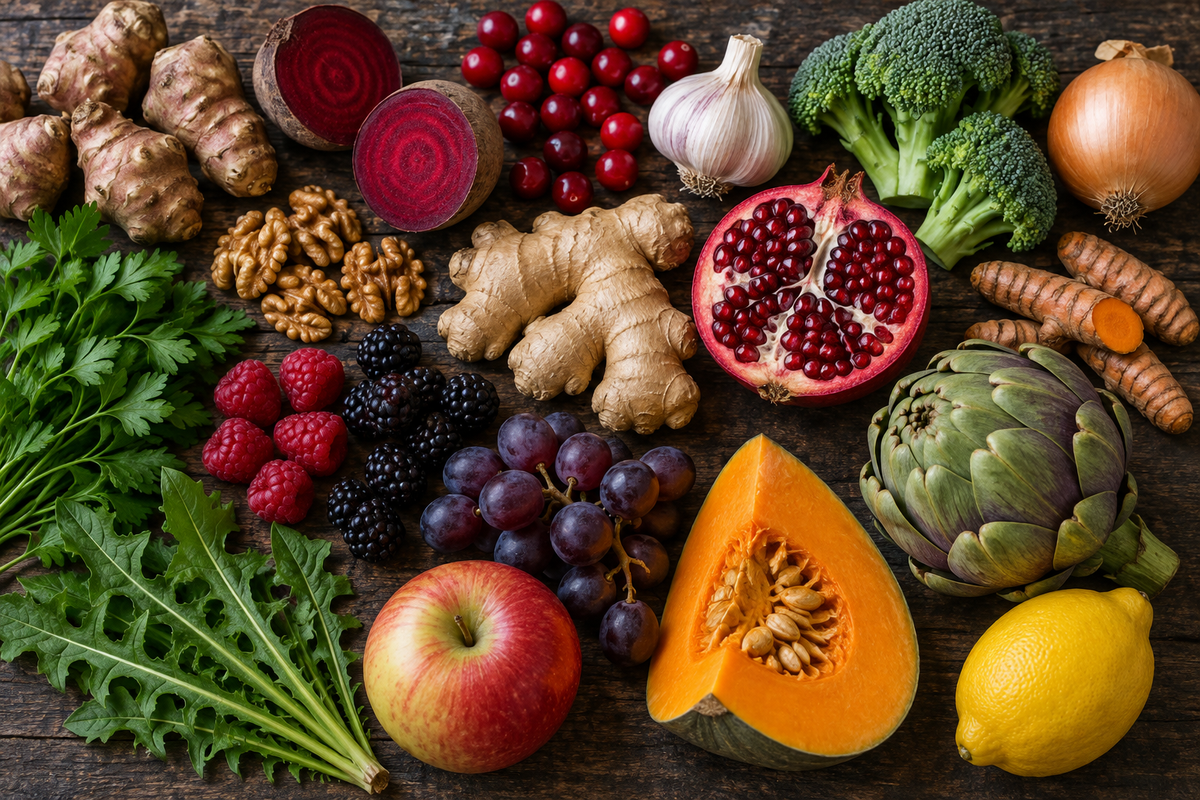
The largest share consists of root and tuber vegetables: Jerusalem artichoke, beetroot, pumpkin, onion, and garlic. These are joined by fruits including cranberry, pomegranate, raspberry, blackberry, grape, blueberry, and apple.

The recipe is rounded out with leafy vegetables and herbs such as broccoli, parsley, dandelion, and artichoke, as well as spices: ginger, turmeric, and pepper. Spirulina, walnut, and lemon complete the blend.

For fermented plant-based ingredients, we state the recipe, origin, and process. This can be verified.

Bio Gut Elixir: composition and quality

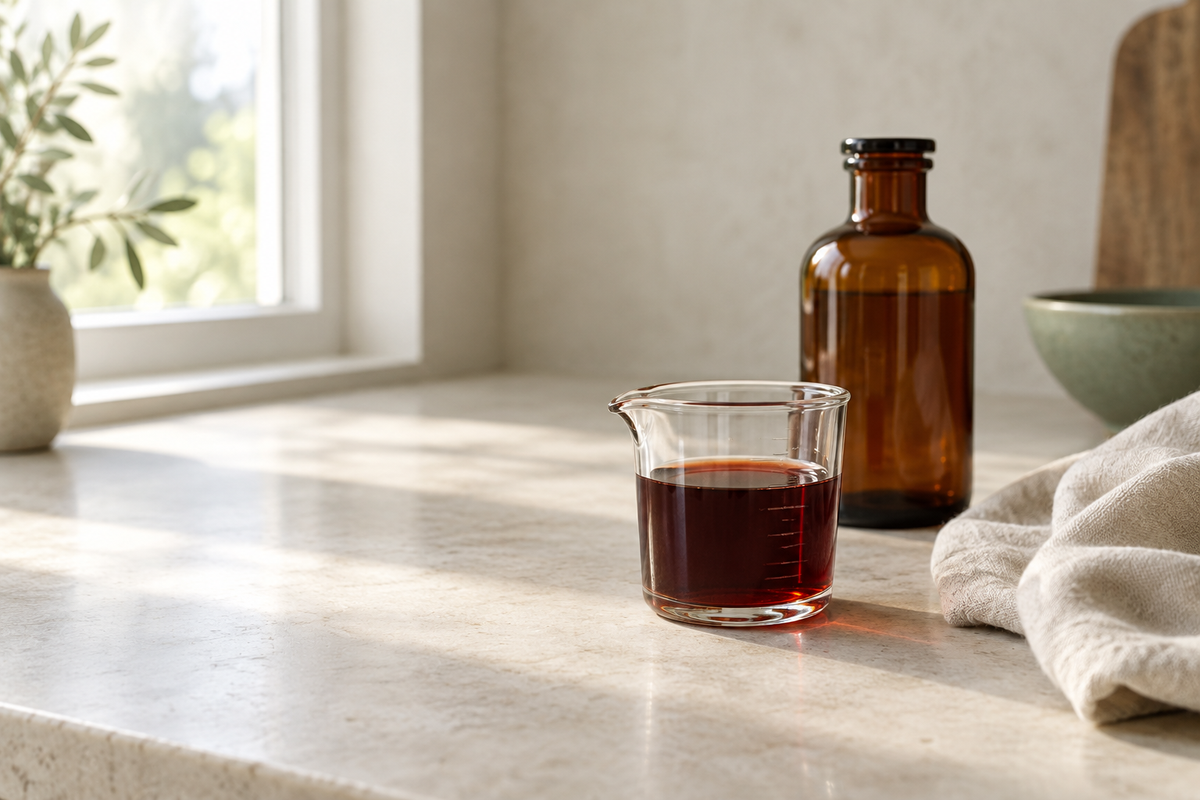
The elixir is certified under the EU organic regulation, certification body number DE-ÖKO-039, and the ingredients come from EU and non-EU agriculture. It is bottled in amber glass. Every batch is tested for heavy metals by an independent laboratory.

Behind Vitalplant is Christian Lazar, a licensed pharmacist with over 35 years of professional experience at Stern Pharmacy.

Inhalte zuletzt geprüft am

Jerusalem artichoke*, beetroot*, cranberry*, garlic*, spirulina*, broccoli*, onion*, walnut*, ginger*, pomegranate*, turmeric*, pepper*, parsley*, raspberry*, blackberry*, grape*, dandelion*, apple*, pumpkin*, artichoke*, lemon*, blueberry*, microorganisms ( Bifido-lactis, -longnum, -acidophilus, Lactobacillus-casei, -rhamnosus, -salivarius, -lactic).

*from controlled organic cultivation

Recommended use: Take 15 ml daily on an empty stomach, undiluted or with a little water.

Important notes: Food supplements are not a substitute for a balanced and varied diet and lifestyle. The stated recommended daily intake must not be exceeded. Keep out of reach of small children.

Allergens: Contains nuts (walnut).

Storage: Store in a cool, dry place, do not freeze, and protect from direct sunlight.

What happens during lactic acid fermentation

Lactic acid bacteria break down the sugars in the starter and release lactic acid in the process. The pH level drops into the acidic range, and that is exactly what preserves it: at this level of acidity, spoilage organisms can no longer grow. The process therefore combines preservation and flavor development in one.

There are two methods. Homofermentative strains produce almost exclusively lactic acid, while heterofermentative strains also produce acetic acid and carbon dioxide. The latter explains why some ferments fizz slightly and taste sharper. A slight cloudiness or sediment at the bottom is normal in an unfiltered ferment; shake before use.

Fermentation is older than agriculture

Sauerkraut, kimchi, miso, soy sauce, kefir, yogurt, sourdough, vinegar, beer, and wine all rely on the same basic process. In some foods it is so natural that hardly anyone thinks about it.

Cocoa beans, for example, are fermented for days in the fruit pulp after harvest, and only then do the precursors of chocolate aroma develop. Coffee cherries often undergo the same process, as do black tea and vanilla pods. Without fermentation, there would be neither chocolate nor coffee as we know them.

Why twenty-two ingredients

A ferment needs something for the cultures to work on. Root vegetables and tubers provide the fermentable carbohydrates and therefore make up the main bulk of the mixture. Fruits add acids and sugar, herbs and spices add aroma.

The broader the base, the more complex the final acid profile, because different substrates are converted at different speeds and into different products. A ferment made from a single ingredient tastes correspondingly more straightforward.

Why a ferment does not list a cell count

With capsules containing freeze-dried cultures, it is possible to specify a cell count per capsule and guarantee it over the shelf life. In a liquid, it is different: the cultures remain active, and their number changes continuously during storage and refrigeration.

A number on the label would therefore be a snapshot with limited significance. The composition itself also shifts during fermentation, which is why an ingredient list for a ferment always describes the starting recipe, not the end result. We therefore specify recipe, cultures, and process, but no cell count.

Our gut elixir is manufactured to the highest quality standards and independently tested for heavy metals.

✔
Lab test - Download here!
✔ Product specification - Download here!

Organic Gut Elixir Fermented Drink

€35,90

€71,80 l

€35,90

€71,80 l

From the start to the glass

  • 22 Bio-Zutaten im Ansatz, Bio Darm Elixier Fermentgetränk

    22 organic ingredients in the formula

  • Fermentiert, nicht gemischt, Bio Darm Elixier Fermentgetränk

    Fermented, not blended

  • 15 ml am Morgen, Bio Darm Elixier Fermentgetränk

    15 ml in the morning

Product reviews

Aus eigener Herstellung

  • Christian Lazar, Apotheker bei Vitalplant
    Vom Apotheker entwickelt Christian Lazar stellt jede Rezeptur selbst zusammen.
  • Pulver wird von Hand über die Kapselplatte abgestrichen
    Von Hand abgefüllt Kleine Chargen, jede Platte einzeln abgestrichen.
  • Kapselfüllgerät in der Herstellung
    Mechanisch dosiert Gleiche Menge in jeder einzelnen Kapsel.
  • Ohne künstliche ZusätzeKeine künstlichen Süßstoffe, Aromen oder Farbstoffe.
  • Geprüfte RohstoffeUnabhängig laborgeprüft, Analysenzertifikat auf jeder Seite.
  • Lichtgeschützt verpacktBraunglas oder blickdichter Beutel, je nach Produkt.
  • Kurze ZutatenlisteWas nicht hineingehört, steht auch nicht drin.

Frequently Asked Questions

15 ml täglich auf leeren Magen, unverdünnt oder mit etwas Wasser. Das entspricht etwa einem Esslöffel. Auf leeren Magen heißt in der Praxis: morgens direkt nach dem Aufstehen, rund 20 bis 30 Minuten vor dem Frühstück.

Because the stomach is less acidic before the first meal. As soon as food arrives, acid production ramps up. Live microorganisms survive passage through the stomach better when they pass through it beforehand. That is why this information is explicitly stated in the directions for use and is not just a recommendation for convenience.

22 pieces, all from certified organic farming. Root and tuber vegetables such as Jerusalem artichoke, beetroot, pumpkin, onion, and garlic. Fruits such as cranberry, pomegranate, raspberry, blackberry, grape, blueberry, and apple. Plus broccoli, parsley, dandelion, artichoke, ginger, turmeric, pepper, spirulina, walnut, and lemon.

Seven strains that ferment the starter and are present in the finished beverage: three bifidobacteria and four lactobacilli, including Lactobacillus casei, rhamnosus, and salivarius. It is they who turn the 22 plant-based ingredients into a ferment over the course of weeks.

Noticeably tart, as is typical of fermented products. During fermentation, organic acids are produced; this is the same process that makes sauerkraut sour. If you find the flavor too strong on its own, dilute the 15 ml with a little water; the recommended way to take it explicitly allows this. No sugar added.

The bottle contains 500 ml and lasts about 33 days at 15 ml daily, so a little over a month. It is bottled in amber glass. After opening, the bottle should be stored in a cool place and kept tightly closed, as it is a living ferment.

Because a ferment cannot be filled into a capsule without losing its character. In this case, the liquid form is not a matter of convenience, but the result of the process: the ingredients are prepared, inoculated with microorganisms, and fermented over several weeks. What emerges is a liquid from the very beginning.

Both contain live cultures, but they take different approaches: the Elixir is a ferment of 22 plants with seven strains, while the Cultures Complex is a capsule with 15 strains and 25 billion CFU. Anyone using both in parallel should do so intentionally, not by accident. If you take medication regularly, it’s best to check the combination at the pharmacy.

General ratings from our customers