

The Artichoke is a large, thistle-like plant in the daisy family, grown for its edible Flower buds is cultivated. The flesh at the base of the thick, leathery bracts and the receptacle of the immature flower head, which Heart called, are a culinary delicacy.
The Taste of artichoke is tender and nutty, with the smaller heads or buds usually being the most tender. Artichoke heads are usually boiled or steamed and served as a warm vegetable with a sauce or as a cold salad or appetizer. Artichokes are a rich source of Potassium, vitamin C and fiber.

Artichoke plants have a rosette of large, deeply serrated, silvery leaves that grow up to one meter long and every year after the Flower formation die off. The plants develop strong, branched flower stems with about three to five large flower buds. If left unharvested, the artichoke buds open into thistle-like flower heads with numerous small purple disc florets.
History of the Artichoke

The artichoke is in the western and central Mediterranean region as well as native to North Africa. It was domesticated in ancient times and brought to the eastern Mediterranean, although at the time it was primarily valued for its young leaves was valued for its immature flower heads. The edible flower shape was first mentioned around 1400 in Italy and is now widely grown in Mediterranean countries, America and other regions grown in the required rich soil and mild climate.
Health Benefits of Artichokes

Artichokes contain Fiber, vitamins and antioxidants, which the Cardiovascular and immune systems support.
A medium-sized artichoke contains almost seven grams of fiber. This amount of fiber is equivalent to about one Third of the average daily requirement.
Consuming the recommended daily amount of fiber helps with the Weight Management and promotes the regular bowel movements. Fiber also plays an important role in the Regulation of blood sugar and insulin levels, which is especially important for people with diabetes. They also nourish the Gut bacteria, which strengthens the immune system.
A medium-sized artichoke provides almost 20 percent of the average daily requirement for folic acid and vitamin K and about 10 % of the recommended daily intake of Vitamin C, magnesium, manganese and potassium.
- Folic acid helps produce DNA and supports cell division.
- Vitamin K, which contributes to normal blood clotting, also supports bone formation.
- Vitamin C, an antioxidant that fights skin aging, strengthens your immune system and promotes collagen production.
- Magnesium is good for muscles, nerves, blood sugar and blood pressure.
- Manganese produces collagen and supports bone health.
- Potassium supports heart function, helps with muscle contractions, and regulates blood pressure.
Artichokes also provide the body with a substantial amount of Antioxidants, which protect cells from premature aging and dysfunction. They also prevent Cell damage before and support the Recovery after exercise.
Artichokes and Blood Pressure
Some evidence suggests that Artichokes are helpful for high blood pressure can be. Researchers found that the Blood pressure significantly reduced in people with high blood pressure after 12 weeks of artichoke consumption wurde. [1]
High blood pressure increases the Risk of heart attack and stroke.
The Artichoke and the Liver

The non-alcoholic fatty liver is the most common chronic liver disease. A healthy diet, weight management, and exercise can help prevent it: Also Artichoke extract, a concentrated amount of the substances found in artichokes, could play a role.
Researchers conducted a study with 100 people with non-alcoholic fatty liver disease through. The participants were randomly selected to take either artichoke leaf extract or a placebo daily for two months. Compared with those who received placebos, the subjects who took the Artichoke leaf extract received the following improvements identified:
- Improvements to Liver size and blood markers
- Reduction of the total cholesterol and LDL cholesterol, also commonly known as “bad” cholesterol
- A reduction in the triglyceride level [2]
The Artichoke as a Prebiotic
Artichokes are particularly rich in Fiber called inulin, a highly fermentable fiber. This means that it is easily broken down and by the good gut bacteria as a food source can be used. In turn, gut bacteria produce by-products that benefit human health, such as short-chain fatty acids. Short-chain fatty acids are associated with a lower risk of developing conditions such as diabetes, heart disease, and inflammatory diseases in connection with. [3]
Artichokes may also have antibacterial properties

Although the antibacterial properties of the artichoke have not yet been thoroughly investigated, studies suggest an inhibitory effect against various pathogens. A growth-inhibiting effect of artichoke extract against Salmonella, Staphylococcus, and E. coli bacteria proven.
Studies have also reported on the antifungal effect of artichoke extracts have been reported. The modulation of fungal enzymes and disruption of cell membrane integrity contribute to these effects. In addition, preliminary findings suggest that artichoke extracts the Inhibit viral replication and the Viral attachment to host cells can interfere.
Our Verdict
The Artichoke is an underrated vegetable, which one might include more often in your diet should. Artichokes contain many nutrients and may offer potential health benefits, including Support for liver health, regulation of blood pressure and a improved fiber intake and with it, a real treat for our gut!
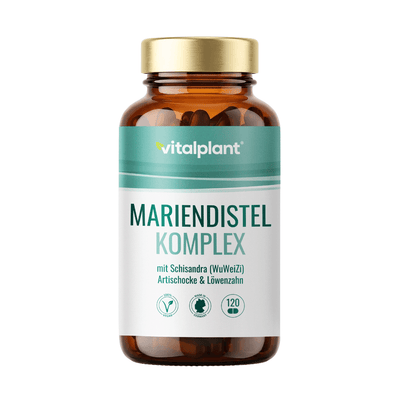
Our high-strength Artichoke Extract rich in fiber, inulin, and many other health-promoting substances can be found here:

If you have questions about health, would like to share your experiences and take part in interesting discussions, we warmly invite you to become part of our Community to become!